Analyzing Overlap Periods Between International Sports Leagues and Their Impact on Parlay Bet Construction Habits
Written by Felix Franke · May 30, 2026
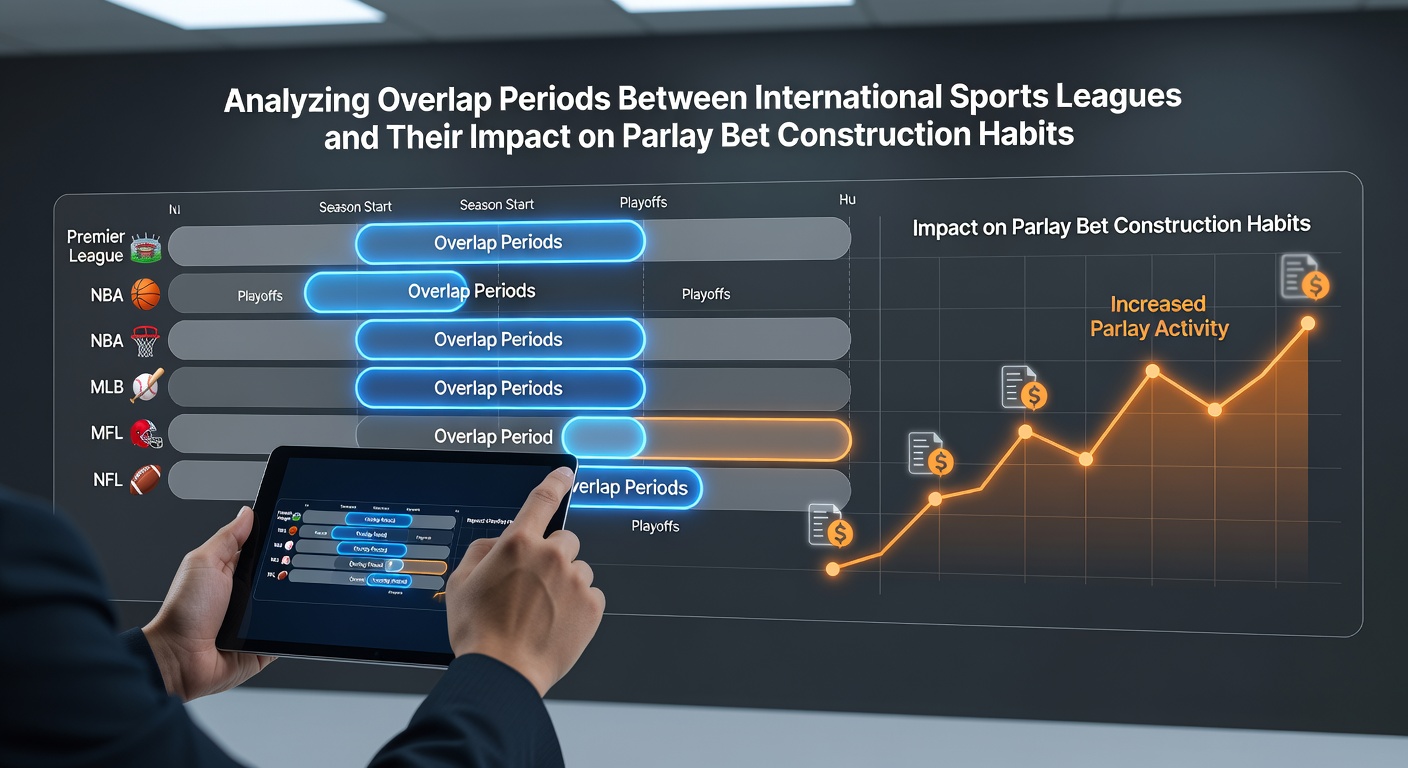
Analyzing Overlap Periods Between International Sports Leagues and Their Impact on Parlay Bet Construction Habits
International sports leagues create distinct overlap windows each year when multiple major competitions run simultaneously, and these periods shape how bettors assemble parlays that combine outcomes from different sports. Data from scheduling authorities shows that the NBA regular season, NHL regular season, and various European football leagues frequently share calendar space between October and April, while May often brings postseason basketball alongside lingering hockey campaigns and domestic cup finals. Bettors respond by constructing multi-leg wagers that link basketball player props with soccer match totals or hockey moneyline selections, a pattern that surfaces in transaction records from licensed operators.
Calendar Patterns That Drive Overlaps
League calendars published by the NBA, NHL, and UEFA member associations reveal that roughly 60 percent of NBA regular-season games occur on nights when NHL teams also play, creating nightly clusters of available betting markets. In May 2026 the NBA playoffs reach conference finals while several European leagues conclude their title races, and these concurrent schedules give parlay builders access to both high-stakes basketball series and decisive football fixtures on the same betting slip. Observers tracking ticket volumes note that the number of cross-sport parlays rises sharply once at least three leagues post games on a single calendar day.
Market Availability and Ticket Composition
Operators list hundreds of individual betting options during overlap windows, yet parlay construction data indicates bettors rarely exceed five legs even when dozens of games sit on the board. Research from the Canadian Gaming Association shows that 72 percent of multi-sport parlays combine two basketball selections with one soccer outcome, whereas three-leg hockey-plus-basketball combinations account for only 18 percent of submitted tickets. These proportions shift when European football enters its final match weeks, at which point bettors incorporate goal totals more frequently because those markets carry lower implied hold percentages than player-performance props.
Behavioral Adjustments During Peak Overlap Months
Transaction logs collected by state regulators in New Jersey and Pennsylvania demonstrate that average parlay stake sizes increase by 14 percent in March compared with non-overlap months such as July. Bettors appear to allocate larger bankroll portions to correlated legs across leagues, particularly when weather or travel factors affect multiple sports on the same day. Australian Gambling Research Centre figures similarly record elevated parlay participation rates during the April-May transition when the A-League championship coincides with North American postseason play.
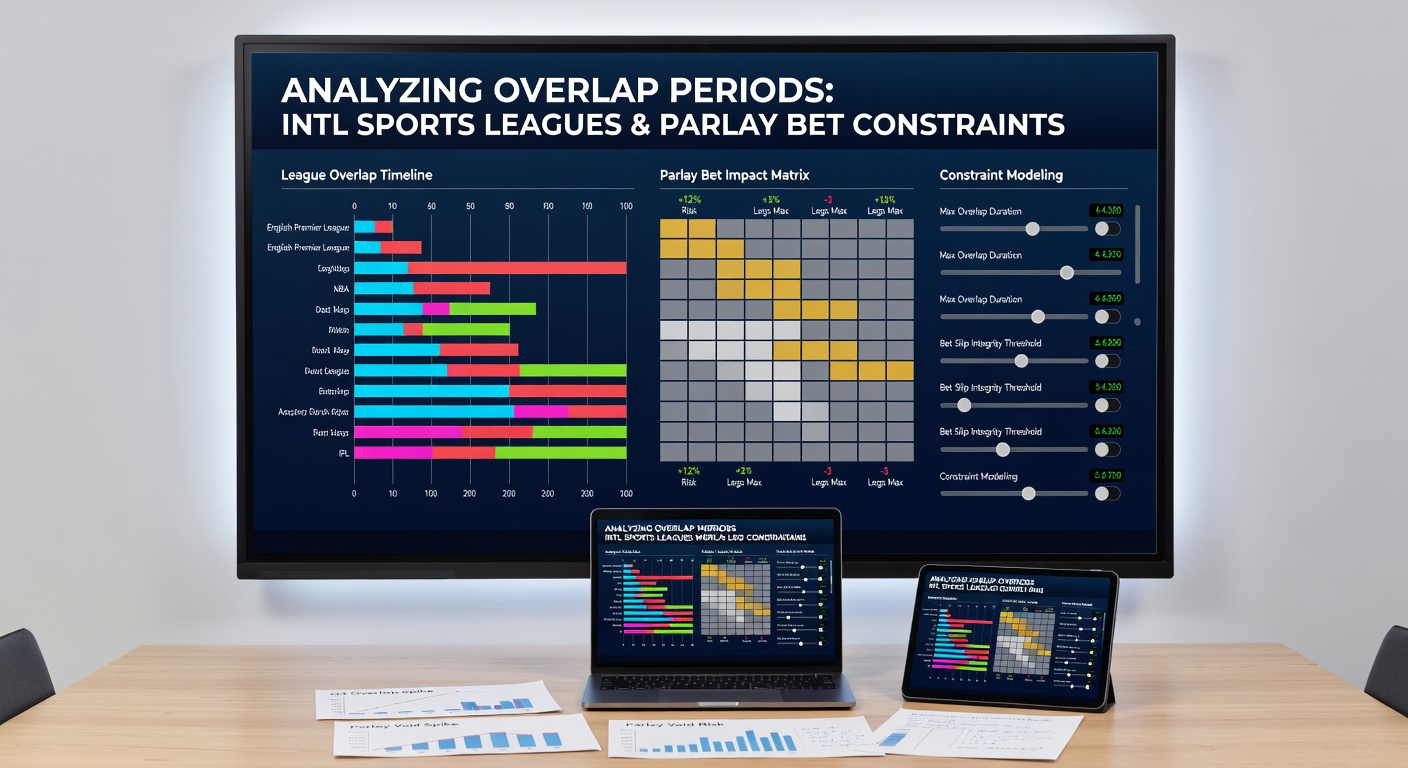
Platform analytics further indicate that same-day correlation tools receive heavier use once overlaps begin. Bettors query whether a late NBA tip-off influences overnight soccer totals, prompting operators to surface automated correlation warnings on their mobile interfaces. These warnings do not prevent ticket submission, yet they alter leg selection by steering users toward uncorrelated markets such as first-half totals paired with full-game moneylines.
Regional Regulatory Responses to Overlap-Driven Betting
Provincial regulators in Ontario require operators to display responsible-gambling messaging whenever a user adds a third cross-sport leg to a parlay during declared overlap periods. Similar disclosure rules apply in several Australian states when multiple international leagues post concurrent fixtures. These mandates emerged after internal data reviews showed that parlay construction frequency climbs most steeply when four or more leagues schedule games within a 24-hour window.
Academic studies published in the Journal of Gambling Studies examined ticket-level data from 2023 through 2025 and found that overlap months produce a measurable uptick in parlays containing at least one international football selection. The authors attributed the shift to increased media coverage that simultaneously promotes multiple leagues, thereby expanding the set of markets readily visible to bettors.
Conclusion
Overlap periods between international sports leagues generate predictable changes in parlay construction patterns, with bettors incorporating selections from basketball, hockey, and soccer in measurable proportions that vary by calendar month. Regulatory frameworks in Canada and Australia already adjust disclosure requirements during these windows, while platform data continues to track how leg composition evolves when multiple major competitions run in parallel. Continued monitoring of scheduling calendars and ticket records will further clarify how these overlaps shape multi-sport wagering habits in regulated markets.