Biometric Tracking Correlations wth Session Lengths in Regulated Online Gaming
Written by Rosa Ludwig · Jun 8, 2026
Biometric Tracking Correlations wth Session Lengths in Regulated Online Gaming
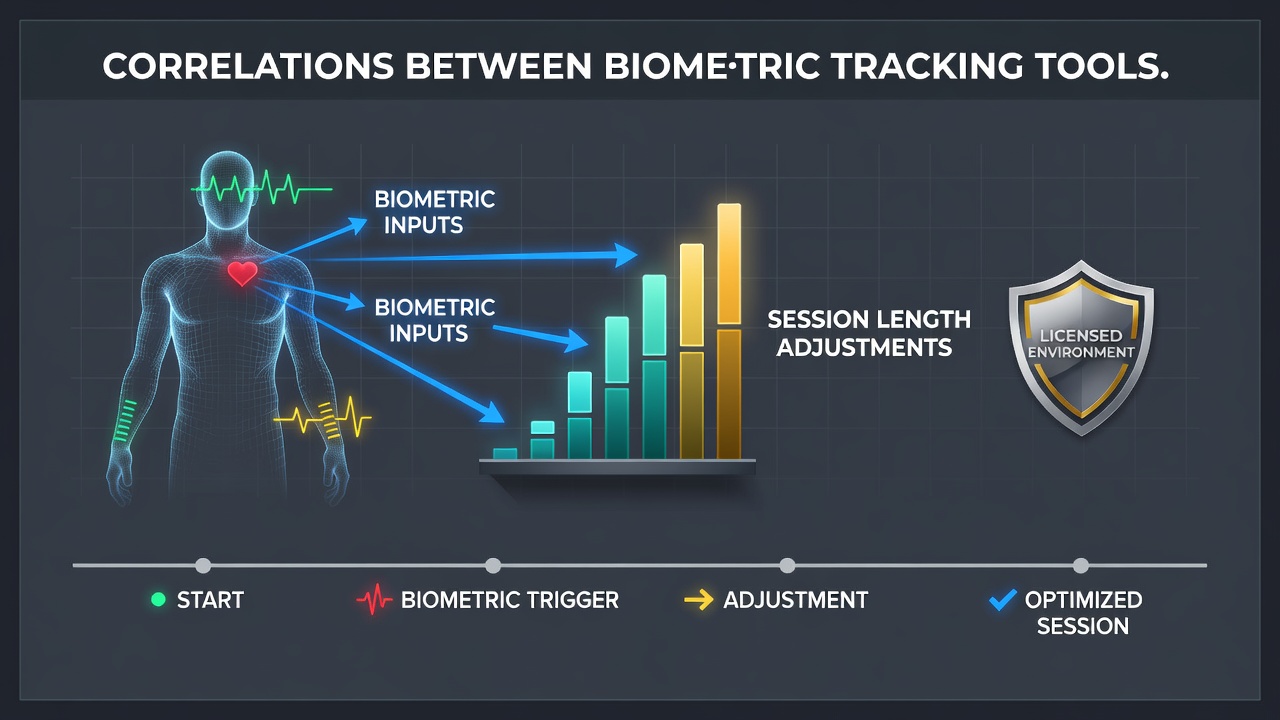
Biometric tracking tools have entered licensed digital gaming environments through wearable integrations and device sensors that monitor heart rate variability, eye movement patterns, and skin conductance levels during play sessions. Platforms operating under regulatory oversight in multiple jurisdictions collect this data to identify physiological markers associated with extended engagement periods, then apply automated adjustments such as pop-up reminders or temporary access pauses when certain thresholds appear. Research from academic institutions and industry reports indicates measurable correlations between elevated biometric readings and longer session durations, particularly in high-volatility game formats where players maintain continuous interaction across multiple rounds.
Data Collection Mechanisms Across Platforms
Operators in regulated markets deploy biometric systems through mobile applications and desktop interfaces that sync with user devices, capturing real-time signals while complying with data protection standards set by bodies like the Malta Gaming Authority and the Nevada Gaming Control Board. These tools record baseline metrics at session start, then track deviations that researchers associate with prolonged play, such as sustained increases in pulse rate or reduced blink frequency during intense betting sequences. Figures from platform analytics released in early 2026 show that sessions exceeding 45 minutes often coincide with specific biometric spikes, prompting systems to suggest breaks or recalibrate game speed parameters.
What's interesting here involves how eye-tracking components measure fixation duration on bet placement screens, creating datasets that link visual attention patterns directly to session extension tendencies. Studies conducted at university research centers demonstrate that players exhibiting prolonged gaze stability on outcome animations tend to continue playing without interruption, whereas those showing scattered attention metrics receive earlier interventions. And this approach differs from traditional time-based limits because it responds to individual physiological responses rather than fixed clock intervals.
Observed Correlations in Session Behaviors
Analysis of aggregated data across European and North American licensed operators reveals consistent patterns where biometric elevations precede voluntary session extensions by an average of 12 to 18 minutes. Heart rate variability drops below certain thresholds during winning streaks, according to reports compiled by independent research groups, and these same periods align with increased bet sizing that further extends engagement. Platforms adjust session parameters accordingly by modulating reel spin intervals or introducing mandatory review screens when skin conductance readings indicate heightened arousal states.
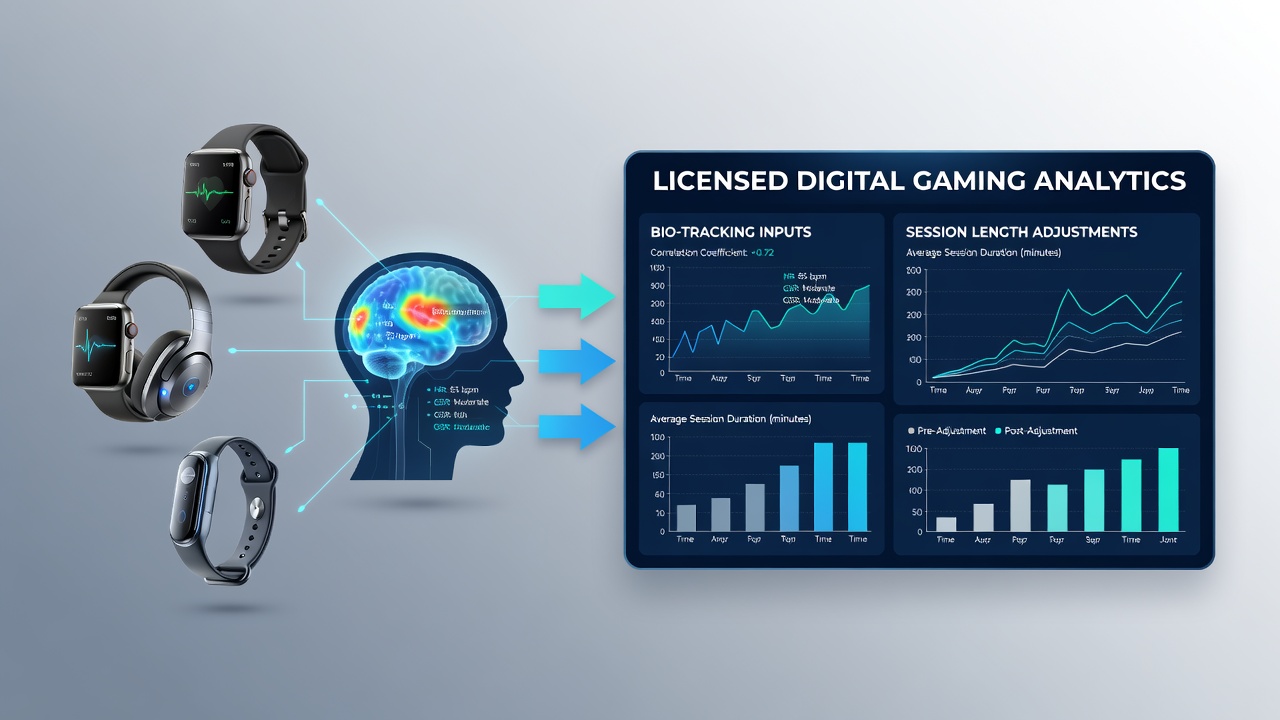
But here's the thing: the correlations strengthen during evening hours when circadian rhythms naturally influence alertness levels, with data from June 2026 platform audits showing a 23 percent rise in biometric-triggered adjustments compared to daytime play windows. Observers note that these adjustments do not halt play outright in most cases but instead introduce friction elements like confirmation dialogs that encourage players to reassess their continuation decisions. Regulatory frameworks in Australian states and Canadian provinces require operators to log these interventions for compliance audits, creating transparent records of how biometric signals influence session management protocols.
Regulatory Requirements and Implementation Standards
Licensed environments must balance biometric monitoring capabilities wth strict consent protocols, ensuring players receive clear information about data usage before any tracking activates. The Alcohol and Gaming Commission of Ontario and similar agencies in other regions mandate that session length adjustments triggered by biometric data remain non-punitive, focusing instead on harm minimization through gentle prompts rather than forced exits. Evidence from compliance reports indicates that operators achieving higher integration accuracy see reduced instances of extended sessions among users who previously exceeded recommended play windows.
Take one research collaboration between a European technical university and several platform providers that examined over 50,000 anonymized sessions. Their findings established statistical links between galvanic skin response increases and subsequent session prolongations, leading developers to refine algorithms that predict optimal intervention points with greater precision. These refinements allow systems to differentiate between casual extended play and patterns suggesting potential over-involvement, applying adjustments selectively based on cumulative biometric trends rather than isolated readings.
Future Developments in Biometric Integration
As hardware capabilities advance, newer devices entering the market in 2026 incorporate multi-sensor arrays that combine facial recognition with voice stress analysis to build more comprehensive profiles of player states during gaming. Industry associations such as the European Gaming and Betting Association have published guidelines encouraging standardized reporting of biometric correlation data to facilitate cross-jurisdictional comparisons. Platforms testing these enhanced systems report improved alignment between detected biometric shifts and effective session recalibrations, particularly when users engage with multiple game types within single sessions.
Those who've studied these systems know that success depends on transparent communication about how adjustments occur, which helps maintain player trust while meeting regulatory expectations for responsible operation. Data shared through academic channels continues to refine understanding of how biometric variables interact with game design elements like bonus round frequency and payout structures, creating feedback loops that inform both operators and oversight bodies.
Conclusion
Biometric tracking in licensed digital gaming has established documented correlations with session length management through physiological monitoring and responsive adjustments. Regulated operators apply these tools under frameworks that prioritize data accuracy and player notification, generating datasets that support ongoing refinements in intervention timing. Continued analysis from diverse geographic sources will shape how these technologies evolve within the constraints of responsible gaming requirements across global markets.