Currency Swings Reshaping Micro Roulette Bets Across International Gaming Platforms
Written by Rosa Ludwig · Jun 27, 2026
Currency Swings Reshaping Micro Roulette Bets Across International Gaming Platforms
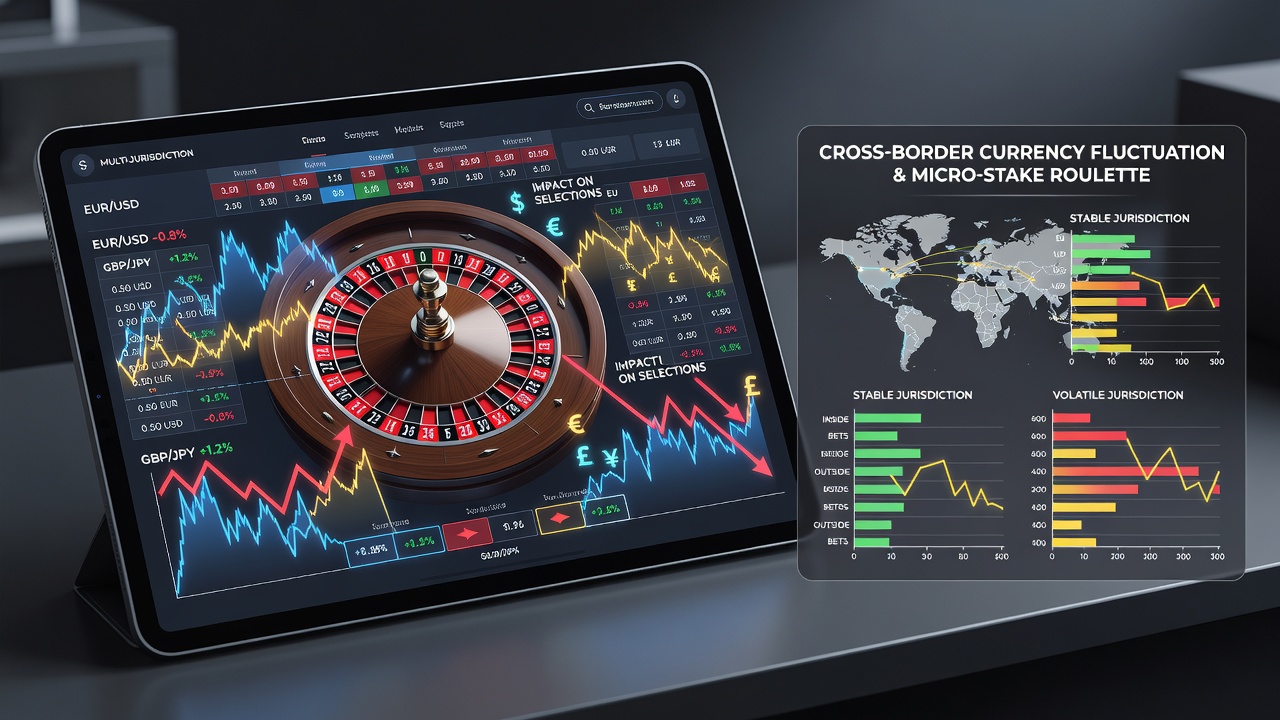
Apps operating across multiple jurisdictions must handle conversions between currencies such as the euro, US dollar, Australian dollar, and Canadian dollar on a constant basis, and those conversions directly influence the micro-stake options presented to users who place bets measured in fractions of a single unit. When exchange rates move, the displayed stake amounts in local terms shift even though the underlying wheel mechanics remain unchanged, prompting users to select different chip values to maintain their intended exposure.
Mechanics of Conversion in Multi-Jurisdiction Environments
Platforms that serve users in several regulatory zones embed real-time rate feeds from banking networks, which means a micro-stake listed at 0.10 EUR in one session can appear as 0.15 CAD or 0.09 USD moments later depending on market movements. Users who keep balances in a single base currency therefore see their available micro options expand or contract without any change to the game server itself. Observers note that this automatic recalculation occurs at the moment of login or balance refresh rather than at the instant of each spin.
Data compiled by the Reserve Bank of Australia shows that the Australian dollar experienced swings of more than four percent against the euro during the first half of 2026, and those movements altered the number of micro-stake increments visible to Australian users accessing the same roulette titles through European-hosted applications. Similar patterns emerged for Canadian dollar holders when the loonie moved relative to the US dollar, reducing or increasing the granularity of available bets by one or two increments per session.
Effects on Stake Selection Patterns
Players accustomed to fixed micro amounts often recalibrate their choices when converted values cross psychological thresholds, such as moving from a 0.05 display to a 0.08 display after a currency dip. Research conducted by the Canadian Centre for Gaming Research indicates that sessions initiated during periods of elevated volatility recorded a measurable uptick in users selecting the next-lower available chip value to stay inside their original risk envelope. This behavior appears consistently across both European and Asia-Pacific user bases when apps present stakes in the visitor's local denomination.
Multi-jurisdiction applications frequently offer a toggle that locks the stake display to a preferred currency while the backend settles in the operator's settlement currency, yet not every platform activates this feature by default. When the toggle is absent, the wheel selections presented on screen reflect live rates, which forces users to mentally translate each option before committing chips. Those who track rates through external financial apps sometimes time their deposits to coincide with favorable conversion windows, thereby preserving access to finer micro increments for longer stretches.

Regulatory and Technical Responses
Regulators in several zones now require operators to disclose the reference rate and timestamp used for any displayed stake, a step intended to give users clearer information before they finalize selections. In June 2026 the Malta Gaming Authority updated its technical standards to mandate that conversion logs remain accessible for at least ninety days, allowing both users and auditors to verify that micro-stake values aligned with contemporaneous market data. Parallel guidance issued by the Australian Communications and Media Authority emphasizes that platforms must present stakes in whole currency units where possible, reducing the chance that fractional displays confuse users during volatile periods.
Technical teams address these requirements by caching rate snapshots at fixed intervals rather than querying live markets on every page load, which keeps the displayed micro options stable for a set window while still reflecting broader market direction. This caching approach limits rapid flicker in the interface yet still transmits meaningful shifts to users who remain connected across multiple hours.
Observed Adjustments in User Behavior
Session data aggregated by independent analytics firms reveals that users who maintain balances in more than one currency tend to switch their active wallet when one denomination offers finer micro increments than another. For example, a user holding both euros and US dollars may route a deposit through the euro balance during periods when the dollar strengthens, because the resulting stake ladder contains more steps below the 0.20 threshold. Such wallet-switching patterns concentrate around known economic announcements that historically move exchange rates by several percentage points within a single trading day.
Platforms that list all available micro stakes in a single scrollable panel rather than paginated views make these recalibrations more visible, because users can immediately compare how many additional increments become accessible after a rate change. Those interfaces also surface warnings when a selected stake would exceed a pre-set risk limit once converted back to the user's primary currency, adding another layer of information that influences final choices.
Conclusion
Currency movements continue to interact with the micro-stake architecture of roulette applications that cross regulatory borders, altering teh number and size of visible betting increments without modifying the underlying probability structure of the wheel. Technical implementations that cache rates, regulatory rules that require disclosure, and user tactics such as wallet switching all represent adaptations to this ongoing interaction. Continued monitoring of rate feeds alongside session logs will show whether these adjustments stabilize or evolve further as more jurisdictions refine their technical standards.