Digital Wallet Surge Prompts Roulette Stake Adjustments on Mobile Apps
Written by Bianca Hartmann · Jun 29, 2026
Digital Wallet Surge Prompts Roulette Stake Adjustments on Mobile Apps
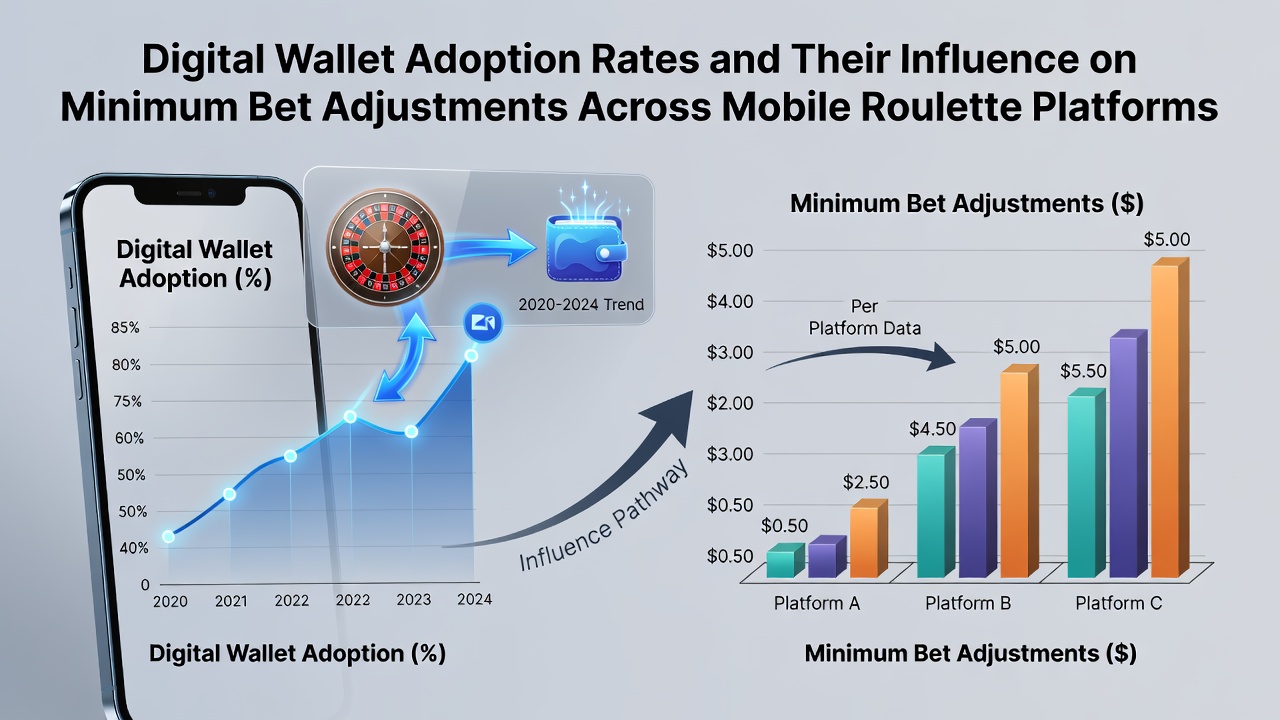
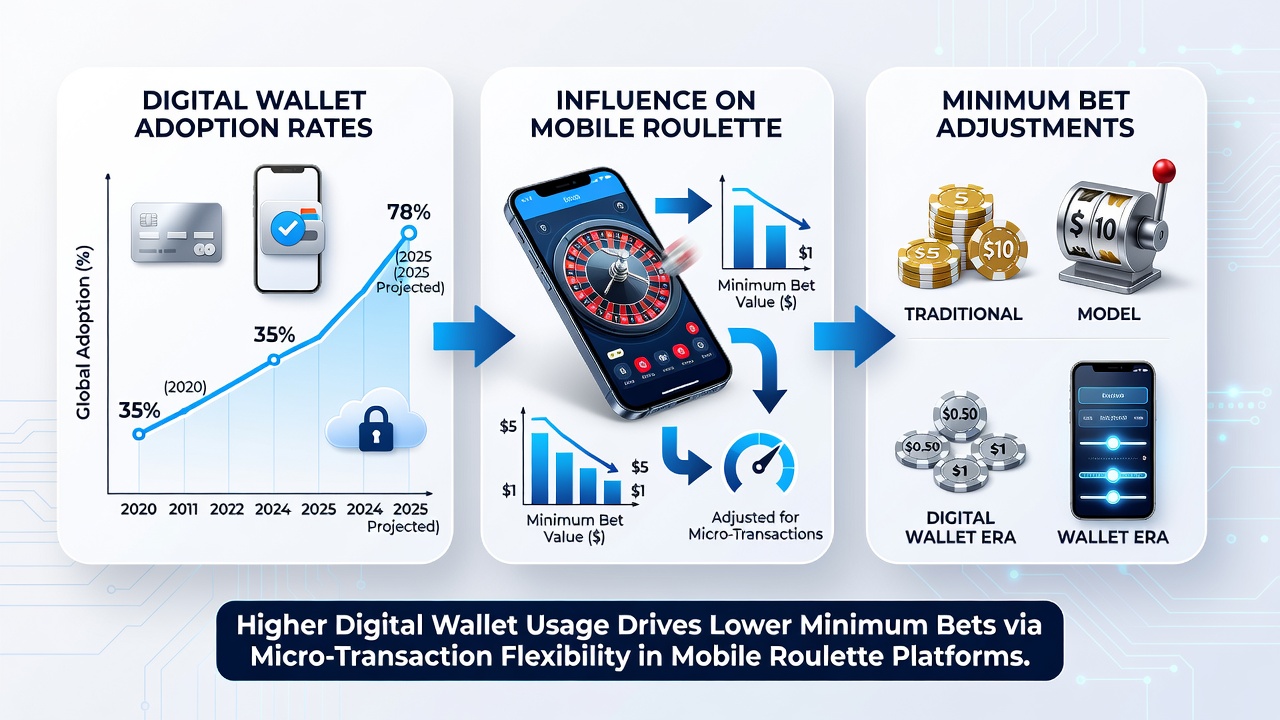
Digital wallet adoption continues climbing across mobile gaming markets, and platforms respond by recalibrating minimum bet thresholds on roulette titles to match shifting player behaviors and transaction efficiencies. Data from the European Gaming and Betting Association indicates wallet usage in regulated mobile environments reached 68 percent of deposits by early 2026, up from 52 percent two years prior, which operators cite when they lower entry-level wagers from 0.50 to 0.10 units in several jurisdictions.
Adoption Patterns Across Regions
North American and Asia-Pacific markets show the steepest gains because payment rails such as Apple Pay, Google Pay, and regional instant-transfer services integrate directly with operator APIs, cutting processing times from minutes to seconds while reducing per-transaction costs by up to 40 percent. Observers note that these efficiencies allow platforms to maintain profit margins even when minimum bets drop, since volume increases offset the smaller per-hand rake. In June 2026, several Canadian provincial regulators reported wallet-funded sessions averaging 22 percent longer than card-only play, prompting operators to test sub-0.20 minimums on popular European roulette variants.
Yet the pattern does not hold uniformly. Markets with slower wallet penetration, including parts of Latin America, retain higher thresholds because operators still absorb elevated chargeback and verification expenses. Researchers at the University of Nevada's International Gaming Institute documented that each 10 percent rise in wallet share correlates with a 6 to 8 percent reduction in advertised minimum bets across 47 tracked mobile apps between 2024 and 2026.
Technical and Regulatory Drivers
Wallet providers embed spend controls and instant settlement features that reduce friction at the betting interface, so developers adjust stake sliders downward to capture micro-session traffic. Regulatory frameworks in Australia and several EU member states now require operators to display real-time minimums that reflect actual payment costs, and compliance teams use wallet adoption metrics to justify those displays. When settlement fees fall below 1.5 percent, platforms frequently publish new bet floors within 30 days, a timeline confirmed in filings submitted to the Australian Communications and Media Authority.
Security protocols built into digital wallets also allow operators to lower identity-verification thresholds for returning users, which shortens onboarding and further supports smaller-stake tables. One study released by the Asia-Pacific Association of Gaming Regulators found that jurisdictions permitting wallet-linked KYC reuse saw average minimum bets decline 15 percent faster than markets requiring full re-verification on every deposit.
Player Behavior and Platform Response
Session telemetry reveals that wallet users place 1.8 times more bets per minute once minimums fall below 0.25 units, because the mental barrier of committing larger sums disappears. Platform analytics teams respond by widening the bet range at the low end while preserving high-limit tables for VIP segments, creating a tiered structure that matches wallet-driven traffic patterns. In markets where crypto wallets gained traction, operators introduced 0.05 unit increments on select wheels, a move documented in compliance reports from the Malta Gaming Authority covering the first half of 2026.
These adjustments remain data-driven rather than speculative. Operators track wallet penetration weekly and run A/B tests on minimum thresholds, measuring retention and gross gaming revenue before rolling changes site-wide. When tests show revenue per user stable or higher despite lower floors, the new minimums become permanent features across the mobile app.
Conclusion
The interplay between rising digital wallet adoption and minimum bet calibration continues to evolve as transaction costs decline and player data accumulates. Regulators and operators both rely on the same adoption statistics to set and monitor thresholds, ensuring that adjustments reflect measurable payment efficiencies rather than arbitrary decisions. As wallet integration deepens through 2026 and beyond, minimum bet structures on mobile roulette platforms will likely shift further in response to sustained volume growth and refined cost models.