International Schedules and Their Influence on Virtual Poker Tournament Participation
Written by Willa Russell · Aug 22, 2026
International Schedules and Their Influence on Virtual Poker Tournament Participation
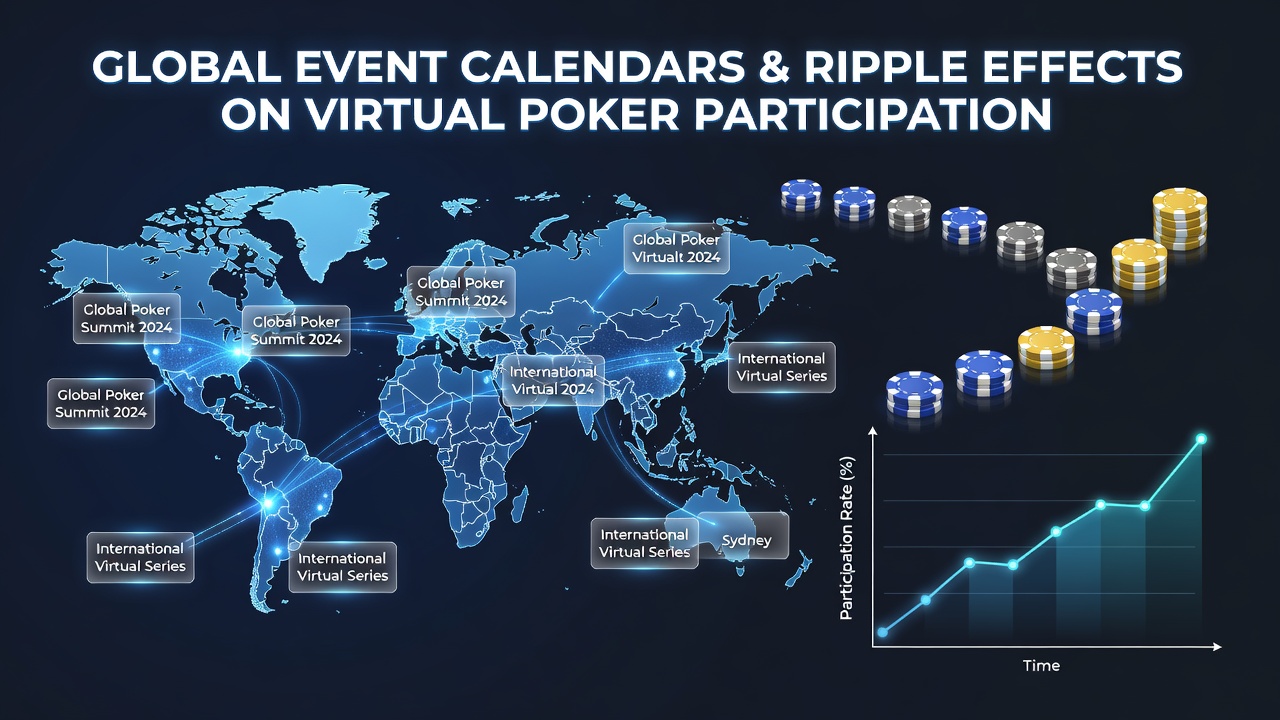
Global event calendars create measurable patterns in virtual poker tournament entries, and platform operators track these shifts across multiple regions each year. Major international gatherings such as the Olympics, FIFA World Cup qualifiers, and regional cultural festivals coincide with noticeable changes in participation numbers, while overlapping schedules often redirect player attention toward live events or local celebrations. Data compiled from regulated operators shows that entry volumes fluctuate when several high-profile activities land in the same month, and analysts attribute these movements to competing time commitments rather than changes in game mechanics.
Patterns Around Major Sports and Cultural Events
Observers tracking online poker traffic note that participation dips during the Summer Olympics and rises again once those competitions conclude, yet the same platforms record steady or increased entries when smaller regional festivals occur without broad media saturation. In August 2026 several international trade summits and music festivals are scheduled across Europe and North America, and preliminary scheduling data indicates these dates overlap with multiple mid-tier poker series, creating a window where players may split their attention between virtual tables and in-person activities. Research from industry monitoring groups reveals that tournament fields shrink by measurable percentages when overlapping events draw audiences to stadiums or public venues, while isolated poker-specific promotions can offset some of that decline.
Take one analysis covering North American operators that compared entry figures before, during, and after the 2022 FIFA World Cup; the study found lower registration rates on match days, particularly in evenings when live broadcasts competed directly with scheduled tournaments. Similar observations appear in reports covering Australian and Canadian markets, where holiday periods and major sporting windows produce parallel effects on session lengths and buy-in totals.
Time Zone Overlaps and Regional Participation Shifts
Time zone differences amplify these calendar effects, and operators adjust tournament start times accordingly to capture audiences across continents. When a major Asian holiday coincides with European evening hours, traffic from one region may drop while another rises, producing a net neutral or slight gain depending on the specific dates. Figures released by the European Gaming and Betting Association illustrate how staggered schedules across time zones help maintain overall volume even when individual markets experience temporary slowdowns.

Platform analytics further show that players in regions hosting large cultural events often reduce multi-table sessions and favor shorter formats, whereas those in unaffected zones maintain consistent volume. Data from the Canadian Centre on Substance Use and Addiction indicates these behavioral adjustments remain stable year after year, suggesting predictable responses tied directly to public calendars rather than random variation.
Economic and Regulatory Calendar Influences
Economic reporting cycles and regulatory announcements also intersect with poker participation, and operators monitor fiscal calendars for signs of broader spending shifts. When central banks release interest rate decisions or governments announce tax changes, some players adjust discretionary entertainment budgets, and entry numbers reflect those recalibrations within days. Reports from the Nevada Gaming Control Board document how such announcements align with short-term changes in online handle across licensed platforms, while longer-term trends remain anchored to recurring global events.
Academic examinations of player behavior, including work published through university research centers, confirm that calendar-driven fluctuations occur across skill levels and stake tiers, although the magnitude differs between micro-stakes and higher buy-in events. These studies track registration timestamps against public event databases, producing correlation maps that operators now incorporate into scheduling software.
Conclusion
Global event calendars therefore function as reliable predictors for virtual poker tournament participation rates, and operators use historical overlaps to fine-tune start times, prize structures, and promotional timing. Continued monitoring across multiple jurisdictions shows that these ripple effects persist regardless of format, with participation shifting in response to competing demands on player attention and resources. Future calendar alignments, including those set for August 2026, will likely follow the same established patterns observed in prior years.