Mapping Multi-Tier Loyalty Structures in Networked Gaming Sites: Tier Advancement Thresholds and Redemption Sequencing for Sustained Value Extraction
Written by Rosa Ludwig · May 16, 2026
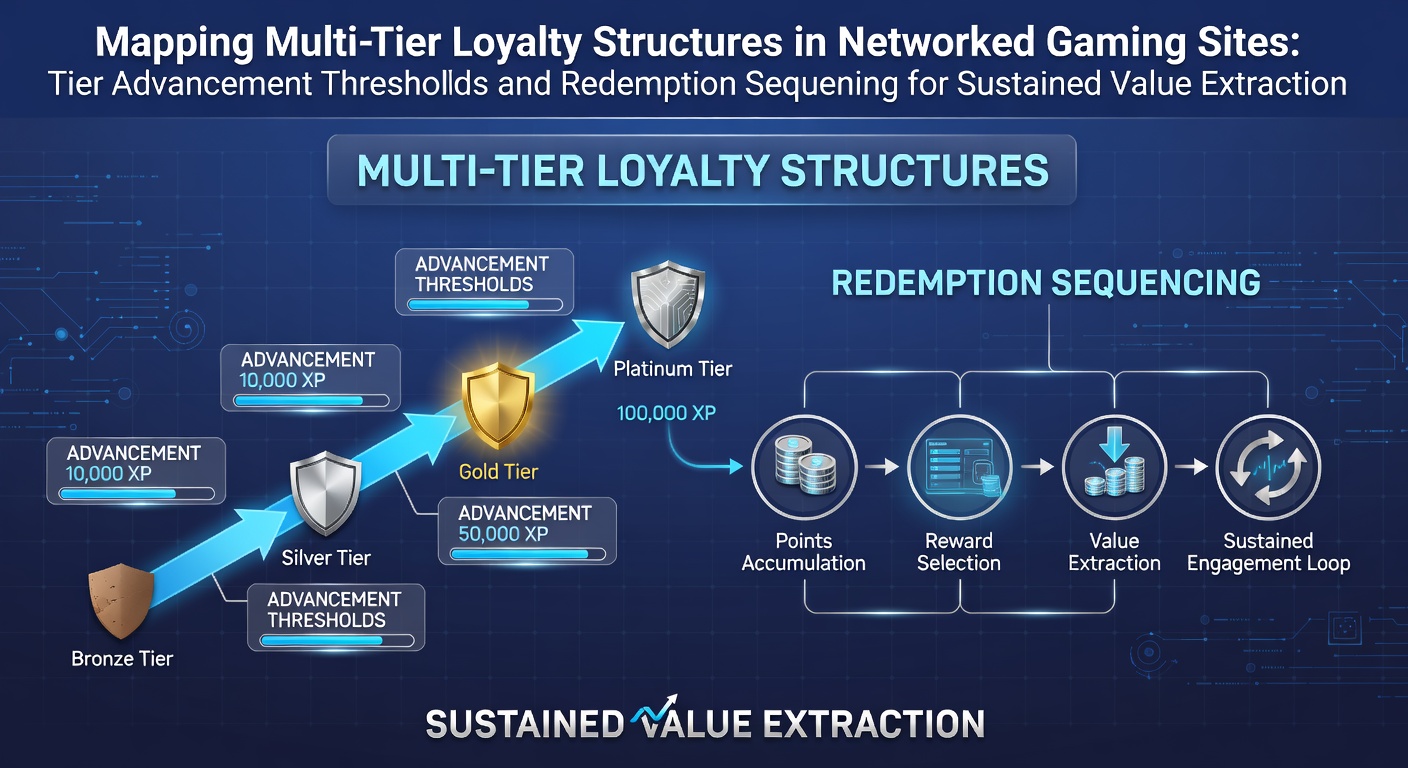
Mapping Multi-Tier Loyalty Structures in Networked Gaming Sites: Tier Advancement Thresholds and Redemption Sequencing for Sustained Value Extraction
Networked gaming sites operate loyalty frameworks that layer players into progressive tiers based on accumulated activity metrics, and these systems track everything from wager volume to session frequency to determine advancement. Operators calculate thresholds using points earned per dollar wagered, with each tier unlocking incremental benefits such as elevated cashback percentages, priority support access, and exclusive event invitations. Data from regulatory filings show that sites typically structure four to six tiers, where entry-level bronze or silver designations require modest point totals while platinum or diamond levels demand sustained high-volume play over quarterly or annual periods.
How Thresholds Define Player Movement
Advancement hinges on precise numerical benchmarks that reset on fixed cycles, and researchers at the Alcohol and Gaming Commission of Ontario have documented how operators set monthly or rolling 90-day windows for point accrual. A player might need 5,000 points to reach silver status, then 25,000 for gold, and 75,000 for platinum, with points derived from a formula that weights different game types differently. Slots contribute at a base rate of one point per dollar, whereas table games and sports wagers often scale at lower multipliers to balance house-edge considerations across product verticals.
Those who monitor these systems observe that crossover play across affiliated sites accelerates progress because networked platforms pool data in real time, allowing activity on one domain to count toward global tier status. This integration reduces the friction of starting over on each property and creates pathways where consistent participation across poker, casino, and sportsbook modules compounds faster than isolated play on single verticals.
Sequencing Redemptions for Optimal Value
Redemption sequencing refers to the order in which players claim tier benefits, and industry analyses indicate that strategic timing influences net return because certain rewards carry expiration windows or usage restrictions. Cashback credits frequently appear first in the redemption queue once a tier activates, followed by bonus funds that require playthrough before withdrawal eligibility. Observers note that prioritizing credits with the lowest wagering multipliers first preserves higher-value perks such as free tournament entries or personalized reload packages for later use when volume targets align with promotional calendars.
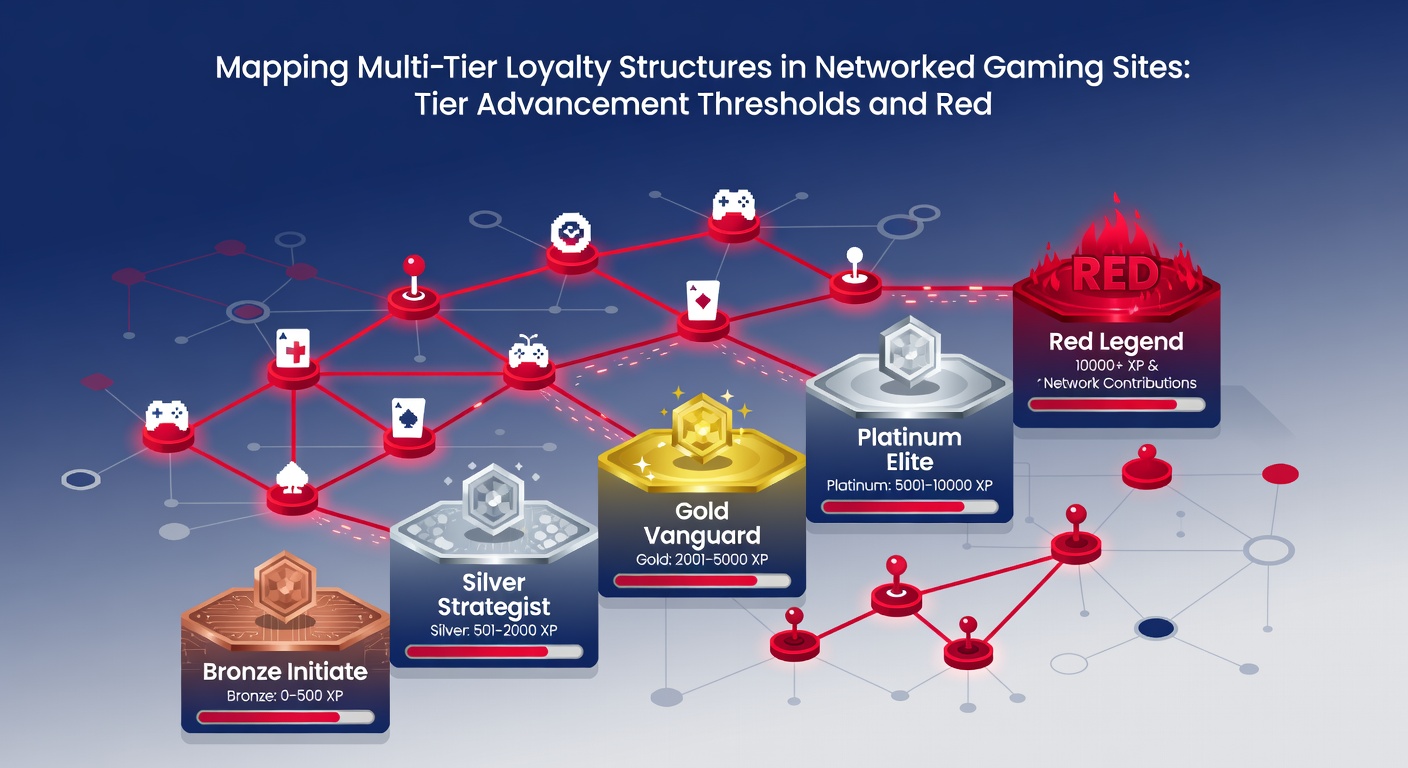
Figures from the American Gaming Association reveal that operators adjust sequencing rules periodically, and as of May 2026 several major networks have introduced tier-specific redemption calendars that stagger availability to encourage continued engagement through the calendar quarter. A platinum player might unlock immediate cashback on the first of each month yet receive tournament tickets only after completing a minimum number of tracked sessions, which enforces a rhythm of regular logins rather than one-time spikes in activity.
Patterns in Retention and Point Economics
Academic reviews of loyalty data demonstrate that tier advancement correlates with measurable increases in average session length and total handle, while redemption patterns show clustering around paydays and major sporting events. Players who advance mid-cycle often receive retroactive credits that apply to prior activity, creating a feedback loop where early momentum translates into accelerated rewards. Reports from the Australian Gambling Research Centre highlight that networked sites employing unified loyalty ledgers experience lower player churn rates compared with standalone programs, because the pooled structure reduces the incentive to migrate to competing operators once a high tier is achieved.
Threshold transparency varies by jurisdiction, yet most regulated markets require operators to publish clear point-to-reward conversion tables so participants can forecast progression timelines. This disclosure enables calculation of expected value per tier, where the marginal benefit of reaching the next level equals the incremental rewards minus any additional play required to hit the target. Those tracking these metrics find that redemption sequencing becomes particularly relevant when multiple reward types compete for the same point balance, forcing decisions between immediate low-value cashback and deferred high-value experiential benefits.
Conclusion
Mapping these multi-tier structures involves charting both the static thresholds that govern upward movement and the dynamic sequencing rules that govern reward realization, and operators continue refining these parameters in response to regulatory updates and competitive pressures. Sustained value extraction therefore depends on alignment between personal play patterns and the published advancement ladders, with networked integration providing the connective tissue that turns isolated sessions into cumulative tier progress across affiliated platforms.