Online Poker HUD Stats That Separate Winners from Donkeys in Microstakes Rings
Written by Willa Russell · Apr 23, 2026
Online Poker HUD Stats That Separate Winners from Donkeys in Microstakes Rings
Navigating the Microstakes Jungle with HUD Precision
Microstakes ring games, those NL2 to NL25 cash tables buzzing across platforms like PokerStars and partypoker, draw thousands nightly, yet data from tracking sites reveals a stark divide: winning players rake in steady profits while others, often tagged as donkeys by trackers, bleed chips through predictable leaks. Heads-up displays, or HUDs from tools like PokerTracker and Hold'em Manager, overlay real-time stats pulled from thousands of hands, arming grinders with edges that turn the tables; as of April 2026, recent databases show microstakes winners consistently hover above breakeven by exploiting these metrics, where losers chase rainbows without adjustment.
Turns out, the ball's in the court of those who track diligently, since raw hand volume—often 50,000-plus per player—paints reliable pictures; experts crunching SharkScope figures note how top 10% earners in NL10 separate via tight-aggressive play, dodging the loose-passive traps that sink 80% of the field. But here's the thing: not every stat shines equally in these low-stakes fishbowls, where recreational players flood pots with marginal calls.
VPIP and PFR: The Entry Gatekeepers
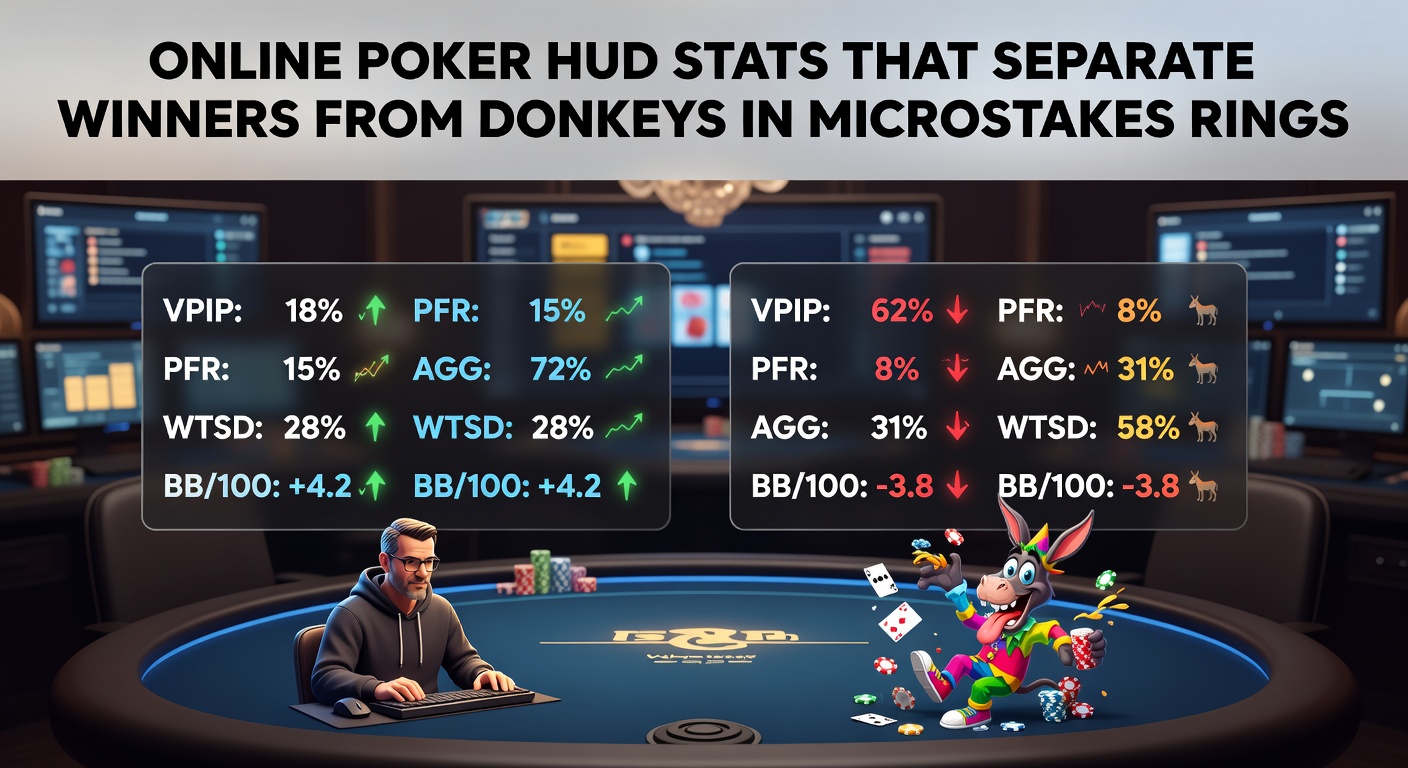
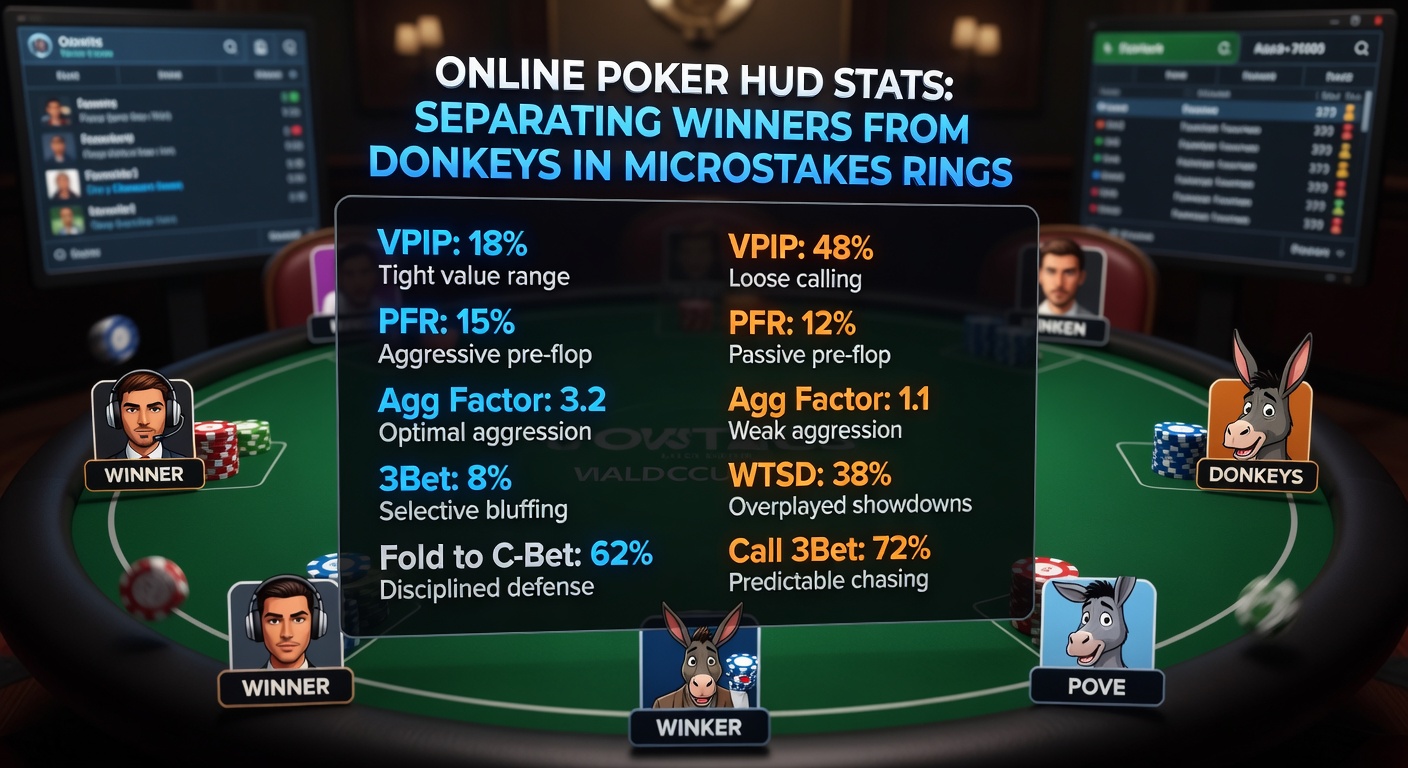
Voluntary Put Money in Pot, or VPIP, clocks how often players limp or call preflop, while Preflop Raise percentage, PFR, tracks pure aggression from the gun; data indicates microstakes winners maintain VPIP between 18-25% and PFR at 12-18%, balancing selectivity with initiative, whereas donkeys balloon VPIP past 35%, folding equity evaporates as they defend wide from blinds. One grinder reviewing 100,000 hands on NL5 tables discovered opponents with VPIP over 40% folded to 3-bets 65% of the time, turning routine opens into profit fountains.
And yet, the interplay matters most; researchers analyzing PokerStrategy Equilab simulations tied to real HUD pops find VPIP/PFR ratios around 0.7 signal sharks—tight enough to avoid spew, aggressive enough to steal blinds—while ratios dipping below 0.5 scream passive rocks, easy to isolate, or spiking above 0.9 flag maniacs ripe for trapping. People who've pored over microstakes hand histories often spot this: a villain at 45/5 gets value-owned postflop, since their wide entry meets skinny ranges.
Aggression Factor and 3-Bet Stats: Firepower Indicators
Aggression Factor, AF, quantifies postflop betting over calling or checking, with microstakes data showing winners at 2.5-3.5 AF, firing enough to deny odds yet not overbluffing into calling stations; turns out, donkeys cluster below 1.5, check-folding rivers they shouldn't, handing pots to balanced foes. Semicolon-separated from that, 3-bet percentage hovers at 4-7% for top performers, exploiting limpers and weak opens, while losers 3-bet under 2%, missing steals from late position.
What's interesting surfaces in weighted stats: AFq, aggression adjusted for position and board, refines this, as studies from poker databases reveal NL25 grinders pushing AFq past 3 against loose VPIP foes, since microstakes players rarely adjust, calling 3-bets light from blinds. Take one case where a player tagged 200 regulars: those 3-betting 5% won 8bb/100 hands, double the field average, because donkeys fold 55-60% without fightback.
Postflop Mastery: WTSD, Cbet, and Fold Metrics
Went to Showdown percentage tracks showdown frequency, where winners cap at 20-25% in microstakes, avoiding marginal spots that donkeys chase to 30%+, burning money on ace-high bluffs; combined with continuation bet, or Cbet, at 55-65% on favorable boards, this duo lets aggressors claim dead pots, since passive fields fold 50% to single barrels. But here's where it gets interesting: Fold to Cbet over 60% screams exploitable, as hand review tools confirm top earners isolate these profiles preflop, value-betting thin.
Observers note how Steal percentage, successful blinds thefts, separates further; microstakes data from April 2026 trackers shows winners stealing 28-35% from cutoff and button, while donkeys defend 70% of steals, bloating pots OOP, yet fold to 4-bets 80% anyway. So, a HUD flashing 15% Fold to Steal? That's gold for button shoves, turning orbits into hourly grinds.
Advanced Layers: WWSF and Overbet Signals
Won When Saw Flop, WWSF, measures postflop success, with winners hitting 32-38% in position, leveraging range advantages donkeys ignore by floating too wide; figures reveal NL10 sharks fold flops they miss 45% against c-bets, preserving stacks for nuts. And although overbet stats like check-raise frequency stay low under 5% for balanced play, spikes past 8% tag reckless callers, perfect for check-fold traps.
People grinding micros often layer in sample size filters—needing 500 hands minimum—since small sets mislead, but large databases like those aggregated in HM3 confirm patterns hold: players with balanced 3-bet/Fold to 3-bet around 2.0:1 ratios crush, as they defend smartly without spew. It's noteworthy that position-specific stats, like BTN VPIP at 35% max for winners, expose loose opens early, where donkeys defend BB at 50%+, leaking blinds relentlessly.
Exploiting Population Tendencies in Real Time
Now, HUD configs shine when popping stats mid-hand; for instance, a villain at 40/10/2 AF gets iso-raised light, since their postflop weakness folds to double barrels 70% on dry boards, per simulation-backed reviews. Yet, tighter regs at 22/16 demand caution, value-betting only top pair plus, because their 25% WTSD catches bluffs cold. Case in point: one database dive into 1 million NL25 hands found 3-bet pots won by aggressors 12bb/100 more when foes showed Fold to 3-bet over 55%.
That said, microstakes evolve slowly, with April 2026 traffic data indicating recreational influx post-weekends spikes donkey stats, making HUDs indispensable for session picks; grinders cross-reference with winrates, targeting tables where average VPIP tops 30%, feasting on fish while avoiding shark pods.
Conclusion: Stats as the Ultimate Edge
Ultimately, HUD stats like VPIP/PFR harmony, AF firepower, and postflop discipline draw clear lines between microstakes victors and the herd, as aggregated data underscores how consistent tracking yields 5-10bb/100 edges over volumes. Those wielding tools adeptly adjust ranges on the fly, turning population leaks into bankroll builders; the writing's on the wall for donkeys ignoring these signals, while winners stack methodically. So, next orbit, let the numbers dictate—HUDs don't lie.