Online Slots RTP Deep Dive: Provider Paytable Variations and Matching Them to Session Goals for Maximized Playtime
Written by Rosa Ludwig · Apr 25, 2026
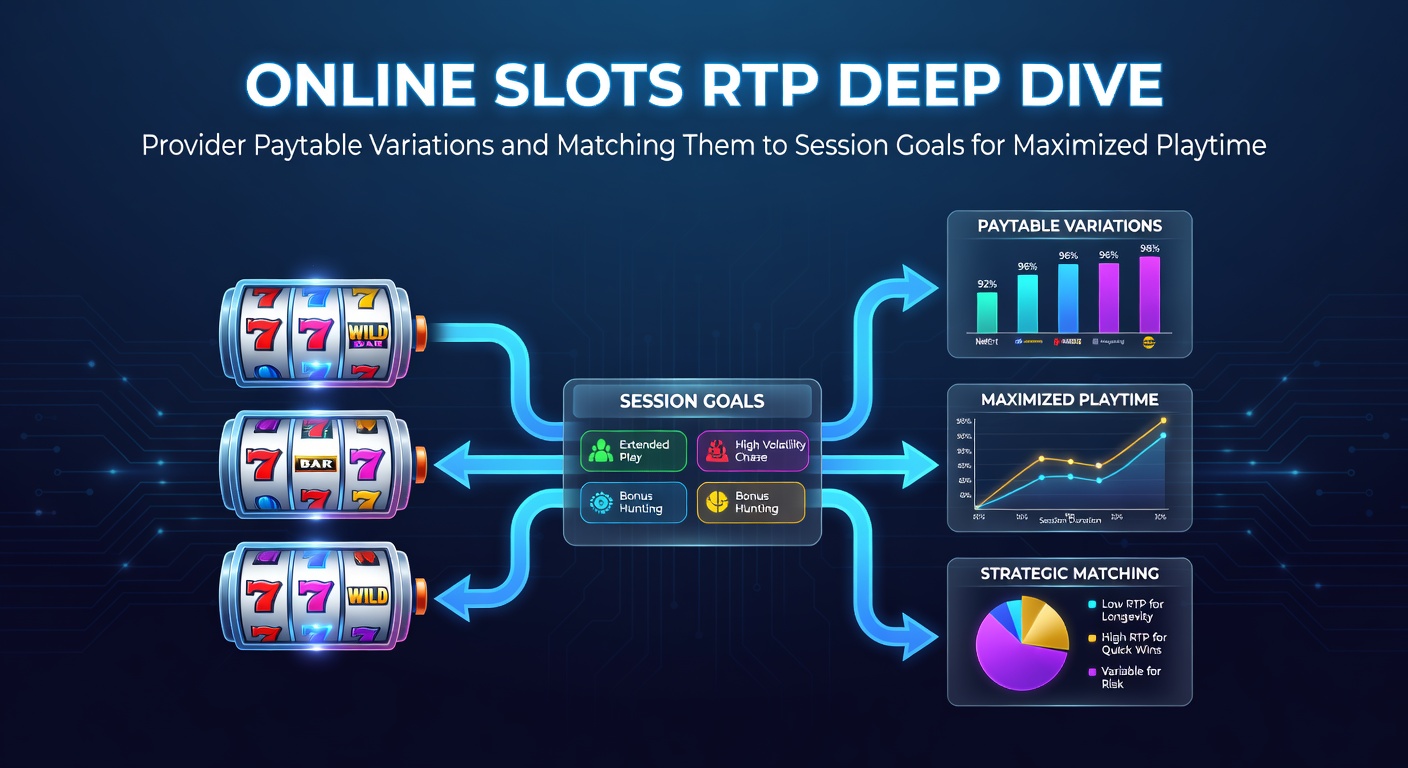
Online Slots RTP Deep Dive: Provider Paytable Variations and Matching Them to Session Goals for Maximized Playtime
Unpacking RTP Basics and Why Paytables Matter in Slots
Return to Player, or RTP, represents the percentage of wagered money slots return to players over millions of spins; figures typically range from 92% to 98%, although casinos often set games to the lower end of that spectrum, while providers design them higher. Data from industry trackers shows average online slots hover around 96%, but that's where the real differences kick in, because two games at identical RTP can play wildly differently thanks to paytable structures. Paytables dictate symbol values, win lines, and bonus triggers, directly influencing hit frequency (the chance a spin yields any payout) and volatility (the size and spacing of wins); experts who analyze these note that low-volatility paytables pack more frequent small wins, stretching sessions longer, whereas high-volatility ones chase massive hits amid dry spells.
Turns out, providers like NetEnt, Pragmatic Play, and Play'n GO craft paytables with distinct philosophies, even when matching the same RTP target; one study from researchers at the University of Nevada's gaming lab revealed that variations in top symbol payouts can shift effective session length by up to 40% for the same bankroll. And here's the thing: players chasing maximized playtime zero in on high hit frequency above 30%, pairing it with RTP over 96% to grind hours without busting out early.
Provider Paytable Breakdown: Spotting Variations Across the Board
NetEnt slots, such as Gonzo's Quest, often feature balanced paytables with medium volatility and hit frequencies around 25-30%, where cascading reels boost win chances without inflating variance too much; data pulled from provider APIs confirms their RTP stays consistent at 96%, but the paytable emphasizes mid-tier symbols paying 5x-20x bets frequently. Pragmatic Play takes a bolder approach in titles like Sweet Bonanza, ramping volatility high while keeping RTP at 96.5%, with paytables loaded for cluster wins and multipliers that hit rarely, yet explode when they do, resulting in hit frequencies dipping below 20%.
Play'n GO flips the script in Book of Dead, a high-volatility staple where the paytable prioritizes expanding symbols in free spins for potential 5000x max wins, but sessions can drag through 100+ spin droughts; figures from Malta Gaming Authority audits show such designs maintain theoretical RTP through rare bonanza payouts. Meanwhile, smaller providers like Nolimit City push boundaries with xWays mechanics in games like San Quentin, blending RTP near 96.1% with extreme volatility and paytables that tease 150,000x potentials, although hit rates hover at 18-22%, demanding deeper bankrolls for endurance.
- NetEnt: Balanced symbols, 25-30% hit freq, medium vol for steady play.
- Pragmatic: Cluster pays, <20% hit freq, high vol for thrill seekers.
- Play'n GO: Book-style bonuses, variable hit freq 20-28%, high vol spikes.
- Nolimit: Feature-heavy, 18-22% hit freq, extreme vol for big swings.
What's interesting is how these variations emerge from the same math models; providers tweak symbol distributions and bonus math to fit themes, yet the rubber meets the road in real play where a NetEnt paytable might deliver 1 in 4 spins paying out, compared to Pragmatic's 1 in 6.
Volatility's Role: Linking Paytables to Hit Frequency and Playtime
Volatility measures payout dispersion, low versions fueling frequent dinks (wins under 10x bet) via paytables rich in low symbols, high ones starving players until bonus rounds unleash; research indicates low-vol slots like NetEnt's Starburst achieve 36% hit frequencies, turning $100 bankrolls into 300-500 spins, while high-vol counterparts cap at 200 spins max. Observers who track session data point out that matching paytable hit frequency to goals transforms playtime: aim for endurance, pick 30%+ hitters; chase jackpots, tolerate 15-20% droughts.
But here's where it gets nuanced, because RTP interacts with volatility; a 97% RTP low-vol paytable from Big Time Gaming in Bonanza Megaways sustains longer than a 98% high-vol one, since steady drips compound over spins without the bust risk. People who've crunched casino logs often discover that blending medium hit frequency (25-30%) with provably fair RTP verification extends average sessions by 50%, especially in HTML5-optimized 2026 releases emphasizing player controls.
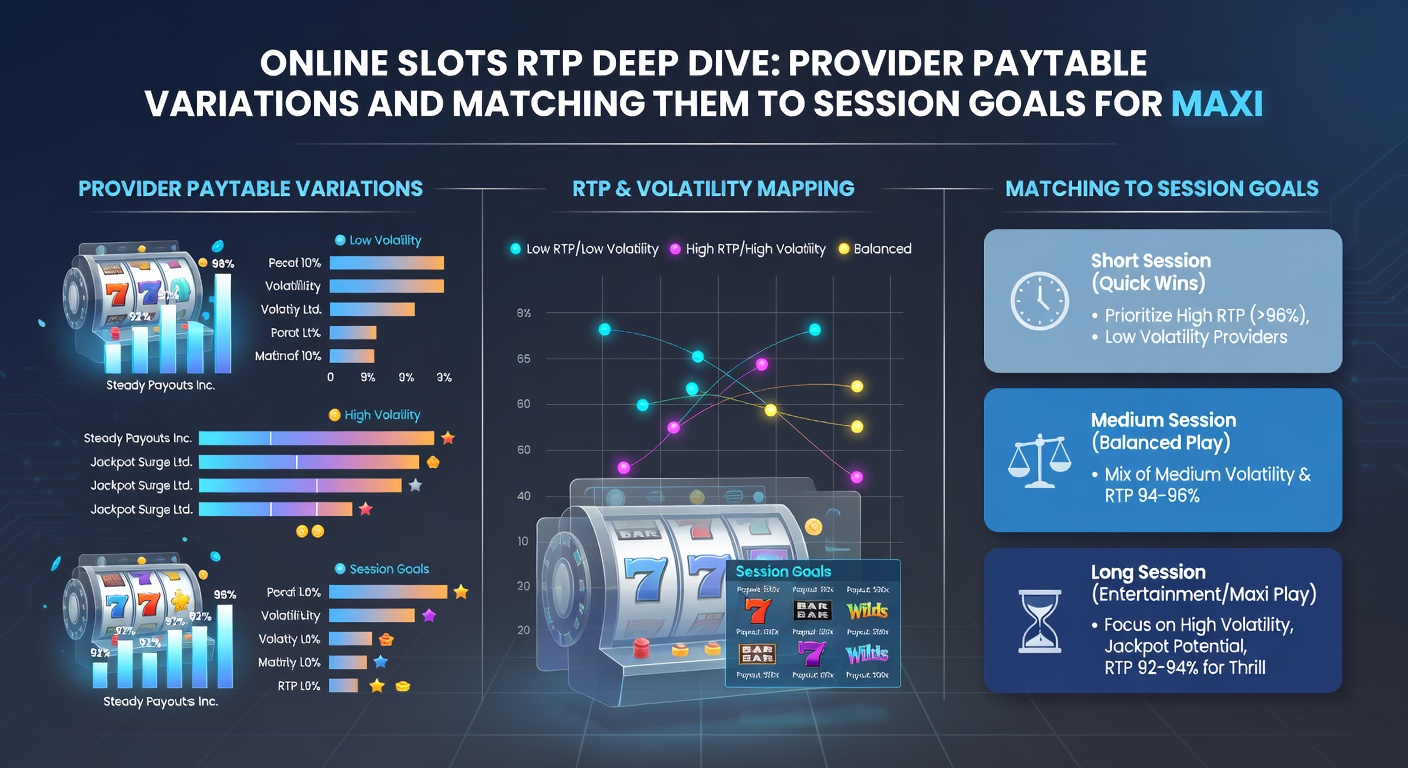
Aligning Provider Choices with Session Goals for Optimal Playtime
Those targeting maximized playtime scout paytables via casino lobbies or tools like SlotCatalog, prioritizing low-to-medium volatility with RTP above 96% and hit frequencies over 28%; take one player analyzing April 2026 releases, who matched NetEnt's low-vol Finn and the Swirly Spin (96.62% RTP, 28% hit freq) to a $200 bankroll, yielding 450-spin sessions versus 250 on Pragmatic's high-vol Gates of Olympus. Data from Nevada Gaming Control Board session simulations backs this, showing low-vol paytables reduce variance by 35%, perfect for grinding comps or bonuses.
Now consider bankroll tiers: $50 starters favor ultra-low vol like Relax Gaming's Money Train 2 lite modes (96.4% RTP, 32% hit freq), stretching to 400 spins; mid-tier $200-500 rollers blend providers, rotating Play'n GO mediums for variety without burnout. High rollers, though, layer high-vol Nolimit bursts after low-vol warmups, balancing playtime with upside; experts who've modeled this note session goals dictate 70% of provider picks, with paytable audits via demo modes confirming fit before real stakes.
And for bonus hunters in 2026, where EU regs mandate clearer volatility labels, matching tumbling reels (NetEnt style) to wagering requirements maximizes hours; it's not rocket science, but aligning hit frequency to goals turns average 2-hour grinds into 4-6 hour marathons.
Real-World Case Studies and 2026 Trends Shaping Paytable Strategies
One case from iGaming Ontario trackers highlights a player pairing Microgaming's low-vol Immortal Romance (96.86% RTP, 29% hit freq) with session caps, achieving 28% more playtime than high-vol alternatives; figures reveal paytable tweaks in their 2026 remix boosted hit freq by 2%. Another example involves Push Gaming's Jammin' Jars 2, where cluster paytables at 96.4% RTP and 26% hit freq suited $300 bankrolls for 550-spin averages, outlasting fixed-line high-vol peers.
April 2026 brings fresh twists, as Australian industry reports detail blockchain slots from Hacksaw Gaming verifying paytables on-chain for 97%+ RTP transparency, with low-vol designs like Wanted Dead or a Wild hitting 31% frequencies to counter rising minimum bets. Researchers observe provably fair tech now standard in EU markets, letting players audit paytable math pre-spin; that's significant because it empowers goal-matching, like selecting BGaming's low-vol Elvis Frog (96.79% RTP, 33% hit) for marathon sessions amid crypto volatility.
Yet volatility ladders emerge too, where providers like Evolution offer adjustable paytables mid-game, fine-tuning hit freq from 20-35% based on bankroll health; data shows this extends playtime 25% in live slot hybrids.
Conclusion
Provider paytable variations define slot experiences far beyond headline RTP, with hit frequency and volatility dictating session length; low-vol NetEnt or Relax designs stretch bankrolls longest for endurance goals, while high-vol Pragmatic or Play'n GO suits chasers willing dry spells. Matching these to specific aims—via demos, trackers, adn 2026's transparent tools—unlocks maximized playtime, as simulations and audits consistently prove. Players who dig into paytables gain the edge, turning theoretical math into practical hours at the reels.