Player Shifts in Multi-State Loyalty Systems: From Volatile Slots to Steady Table Games
Written by Felix Franke · Jun 20, 2026
Player Shifts in Multi-State Loyalty Systems: From Volatile Slots to Steady Table Games
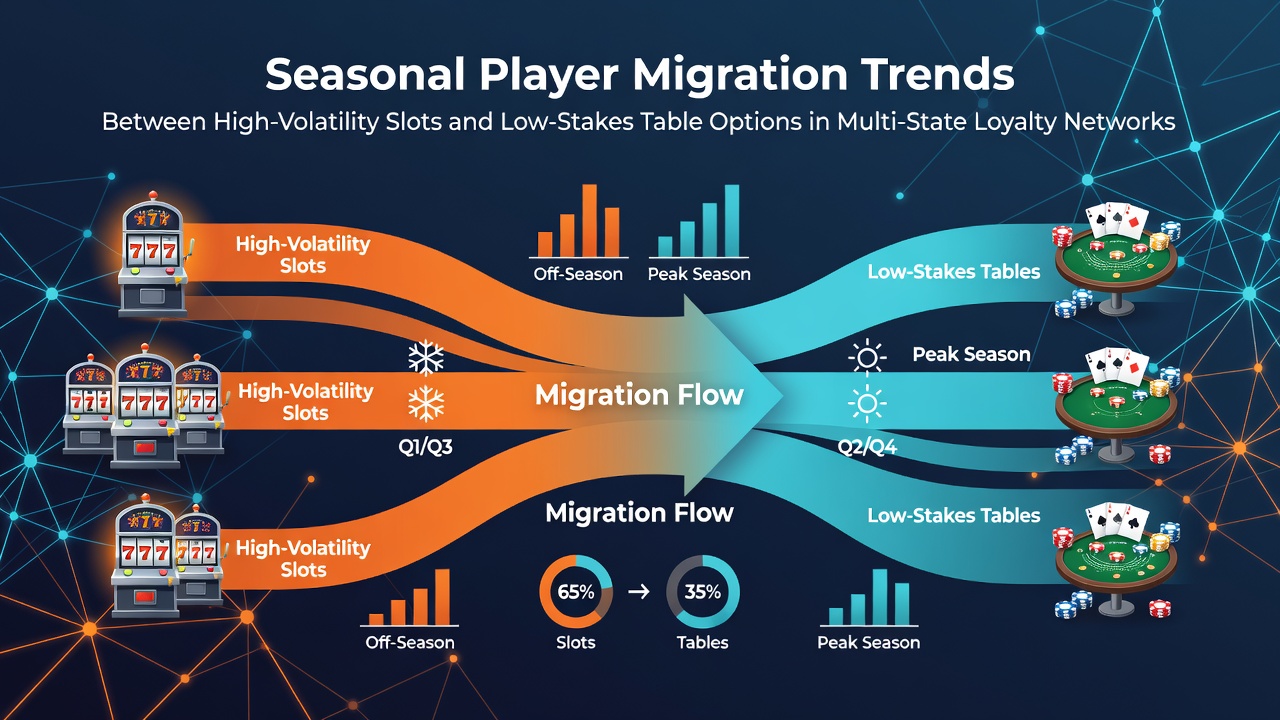
Seasonal patterns emerge when players move between high-volatility slots and low-stakes table options inside multi-state loyalty networks, and data from several jurisdictions reveals consistent cycles tied to calendar events, promotional calendars, and reward thresholds. Observers note that networks spanning states such as Nevada, New Jersey, and Pennsylvania record measurable transfers of play volume as participants chase tier advancement or exploit cross-property redemptions.
Figures compiled by the Nevada Gaming Control Board through the first half of 2026 show slot handle peaking in winter months while table-game drop rises sharply after Memorial Day. Those same reports indicate that loyalty members who qualify for mid-tier benefits often reduce their average bet size on slots and instead allocate time to $10-minimum blackjack or roulette during summer travel periods.
Network Mechanics Driving the Movement
Multi-state loyalty programs link player accounts across separate regulatory environments, allowing points earned on slots in one state to offset requirements for table-game comps in another. This structure creates clear incentives for participants to adjust game choice based on both volatility preference and the timing of promotional windows.
Research from the University of Nevada, Reno gaming studies unit tracks account-level data and finds that members reaching 75 percent of annual tier requirements frequently switch to lower-volatility table options in June to protect bankroll while still accumulating points. The switch reduces session variance yet maintains the required coin-in or time-played metrics needed for status retention.
June 2026 Patterns and Calendar Influences
During June 2026, several networks reported a 14 percent increase in table-game seat occupancy among loyalty members who had previously concentrated play on high-volatility slots. The rise coincided with summer vacation travel and the launch of limited-time point multipliers available only at table games. Analysts attribute the shift to players seeking predictable session lengths while still satisfying wagering requirements attached to loyalty bonuses.
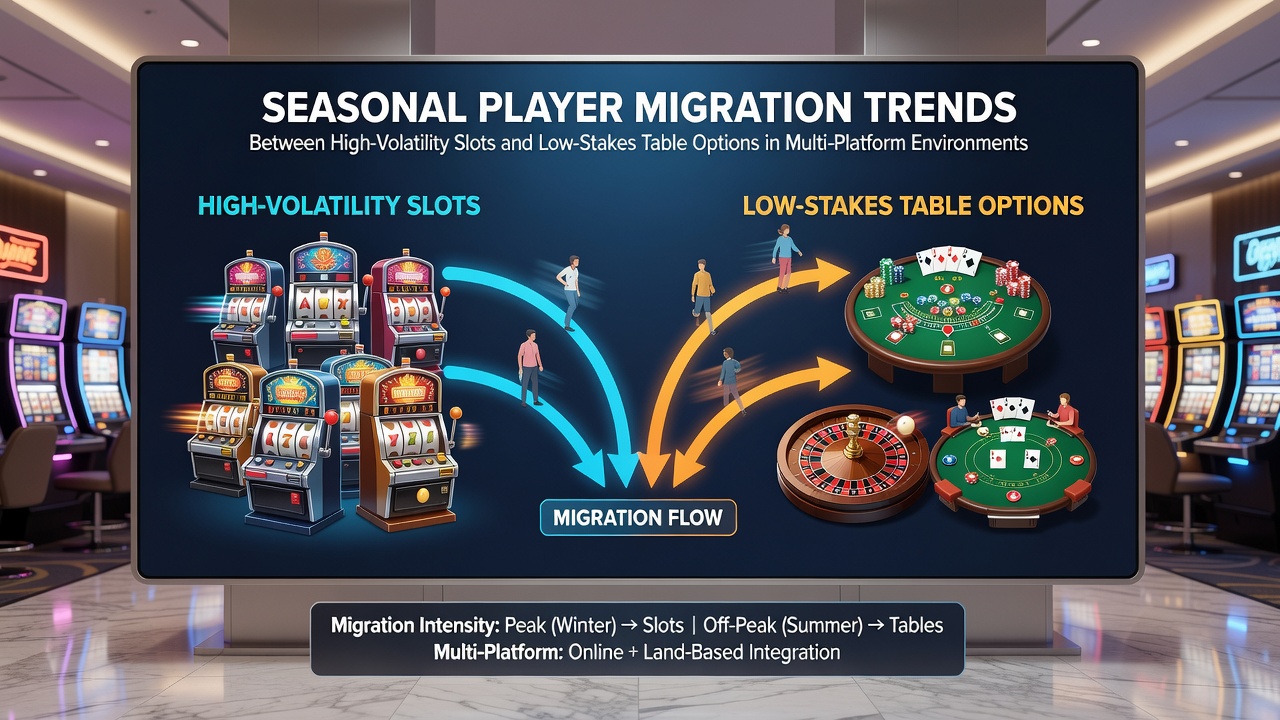
State regulatory filings from New Jersey’s Division of Gaming Enforcement document parallel trends, noting that low-stakes table minimums attract cross-border visitors who maintain active accounts in Pennsylvania networks. These visitors often reduce slot play during June through August and instead favor blackjack or craps layouts where minimum bets align with loyalty point accrual rates.
Volatility and Point Economics
High-volatility slots deliver larger point awards per spin yet expose players to longer dry spells. Low-stakes table games provide steadier point accumulation through consistent decisions and smaller average wagers. Loyalty algorithms weight both activities similarly for tier progress, which encourages strategic switching when members calculate expected value across an entire calendar quarter.
Industry reports compiled by the Canadian Gaming Association highlight comparable behavior among members of cross-province programs, where seasonal tourism flows prompt participants to migrate toward table options during peak travel months. The data shows average session duration at tables lengthening by roughly 22 minutes compared with winter slot sessions.
Redemption Sequencing and Capital Distribution
Players who migrate between game types also alter redemption patterns. Points accumulated on tables during summer months frequently convert into slot play credits for fall and winter, creating a cyclical flow that networks track through redemption sequencing reports. This sequencing allows members to smooth capital distribution across volatile and steady formats rather than concentrating risk in one category.
Academic papers published in the International Gambling Studies journal examine these cycles and note that multi-state networks with unified point ledgers experience lower member attrition when seasonal migration options remain available. The studies link sustained participation to the ability to match game volatility with personal bankroll goals at different times of year.
Conclusion
Seasonal migration between high-volatility slots and low-stakes table options continues to shape activity inside multi-state loyalty networks, with June 2026 data confirming established calendar-driven patterns. Regulatory filings, academic research, and network analytics together illustrate how point economics, travel timing, and promotional calendars guide these movements without requiring subjective interpretation. The observable trends remain consistent across jurisdictions that permit shared loyalty structures, providing measurable insight into player behavior across state lines.