Regulatory Changes Reshaping Entry Stakes in Global Online Poker Tournaments
Written by Freya Bauer · Jul 16, 2026
Regulatory Changes Reshaping Entry Stakes in Global Online Poker Tournaments
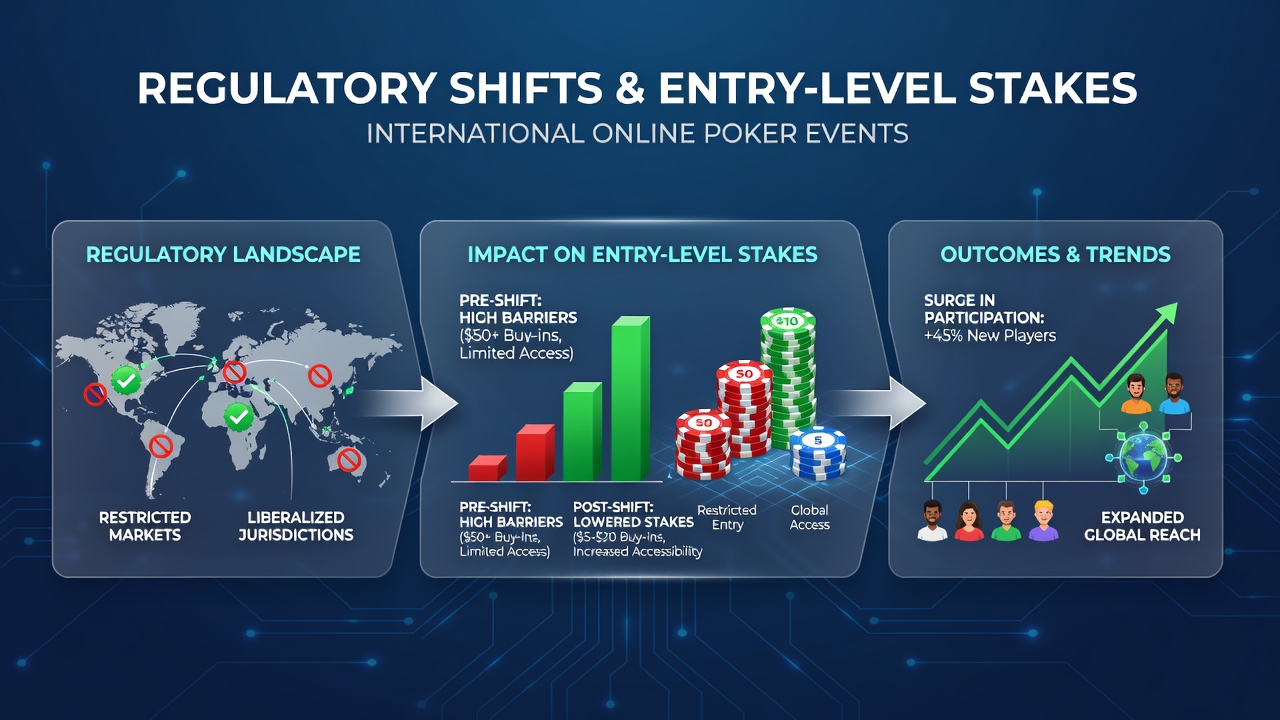
Regulatory frameworks in various jurisdictions continue to evolve, and these modifications directly influence the minimum buy-in amounts available for players in international online poker events, because compliance costs and licensing requirements often force operators to adjust their stake structures across borders. Observers note that operators must balance these new obligations with player demand for accessible entry points, which leads to recalibrations that vary by region and regulatory approach.
European Regulatory Developments and Stake Adjustments
European operators have responded to updated directives on consumer protection and anti-money laundering by raising certain entry-level thresholds in multi-jurisdictional tournaments, while data from the Malta Gaming Authority shows that some platforms lowered micro-stake options to maintain volume after implementing enhanced verification protocols. These shifts occurred because operators absorbed additional operational expenses tied to stricter reporting standards, which prompted them to consolidate lower buy-in events into fewer scheduled series. Players in regulated markets saw entry fees start at €5 instead of the previous €1 options in several networks, although major series maintained satellite pathways that preserved access for recreational participants.
North American Variations in Minimum Buy-Ins
Across North American platforms, state-level licensing in places like New Jersey and Pennsylvania has produced different outcomes compared with offshore sites serving Canadian players, and figures from the Alcohol and Gaming Commission of Ontario reveal that minimum stakes in cross-border events rose modestly after new responsible gambling integration rules took effect in early 2026. Operators adjusted by introducing hybrid structures where entry-level events required slightly higher initial deposits to cover enhanced player fund segregation requirements, yet they simultaneously expanded freerolls and step satellites to offset the change. This approach allowed networks to comply without eliminating the low-stakes segment entirely, because regulators emphasized consumer safeguards rather than outright stake minimums.
Asia-Pacific Markets and Compliance-Driven Recalibrations
Asia-Pacific jurisdictions introduced licensing regimes that affected international poker traffic differently, with Australian authorities requiring operators to align deposit and stake thresholds with updated financial transaction monitoring standards, which led several platforms to set higher entry points for events open to players from multiple countries. Research from the University of Sydney's gambling studies unit indicates that these adjustments coincided with a redistribution of player traffic toward regulated sites, where minimum buy-ins stabilized around AUD 10 for daily tournaments rather than the lower amounts previously available through unregulated channels. Meanwhile, operators in other Asian markets maintained more flexible entry stakes by routing events through jurisdictions with lighter compliance layers, although international connectivity requirements sometimes forced alignment with stricter benchmarks anyway.
Effects on Satellite Structures and Player Access
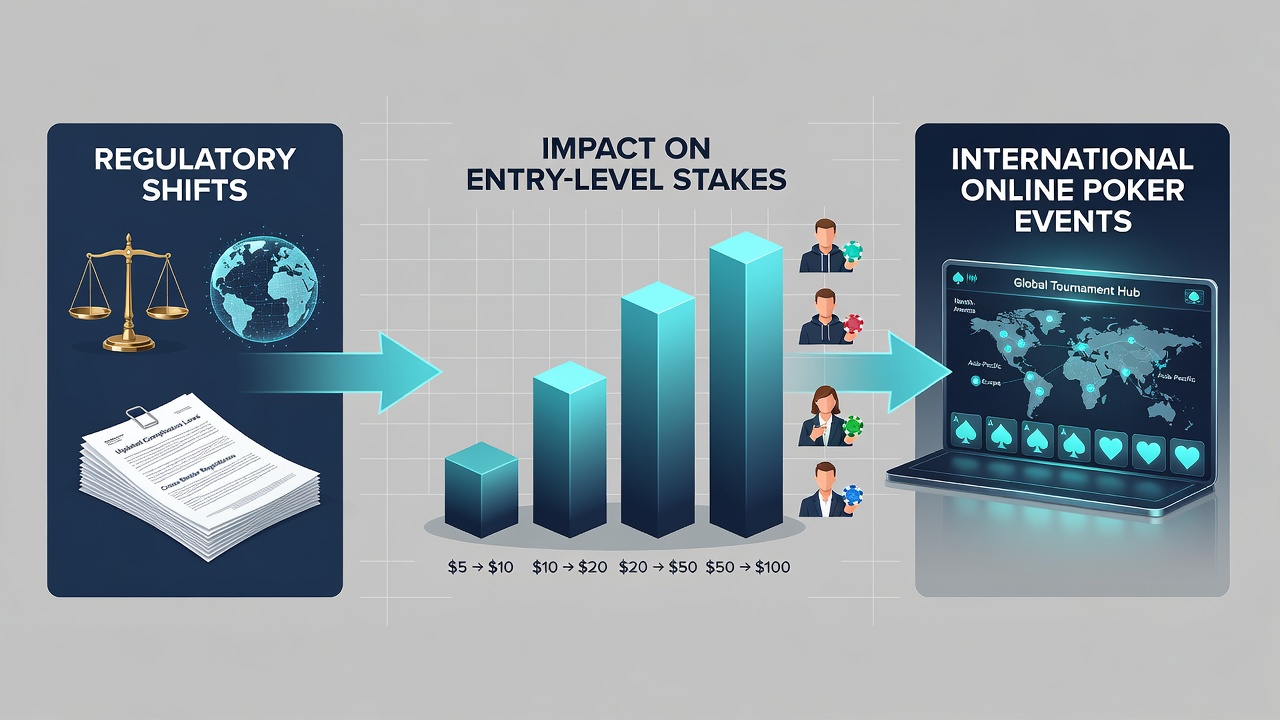
Satellite tournaments experienced direct pressure from these regulatory shifts, because operators needed to ensure that feeder events complied with the same licensing conditions as flagship tournaments, which often resulted in consolidated prize pools and adjusted qualifying buy-ins. Data compiled by industry tracking services shows that the average minimum satellite entry across major international series increased by approximately 15 percent between late 2025 and July 2026, although many networks preserved pathways through step-ladder formats that kept overall participation costs manageable for new players. Those who studied traffic patterns found that recreational participants adapted by combining smaller daily events with targeted satellite entries, which maintained engagement levels despite the broader upward movement in base stakes.
Industry Responses and Future Trajectories
Industry associations have documented how operators implement tiered compliance models that differentiate between domestic and international player pools, allowing some flexibility in stake offerings while satisfying multiple regulatory bodies simultaneously. These models emerged because platforms recognized that uniform stake increases across all events risked reducing overall volume, so they introduced region-specific configurations that preserved lower entry points where local rules permitted. Evidence from operator filings suggests that such differentiation will continue through the remainder of 2026, particularly as additional jurisdictions finalize their online gaming frameworks and create new compliance baselines that affect how entry-level stakes are structured in cross-border competitions.
Conclusion
Regulatory shifts continue to influence entry-level stakes in international online poker events through a combination of compliance costs, licensing conditions, and consumer protection mandates, which produces varied outcomes depending on the jurisdiction and operator strategy. Platforms respond by recalibrating minimum buy-ins, expanding alternative access routes such as satellites, and implementing differentiated structures that accommodate multiple regulatory environments at once. Those who track these patterns observe that the net effect preserves participation opportunities even as base thresholds move upward in several key markets, because operators prioritize volume alongside regulatory adherence.