Uncovering Connections Between Promotional Incentives and Sustainable Participation Methods in Digital Betting Platforms
Written by Felix Franke · May 21, 2026
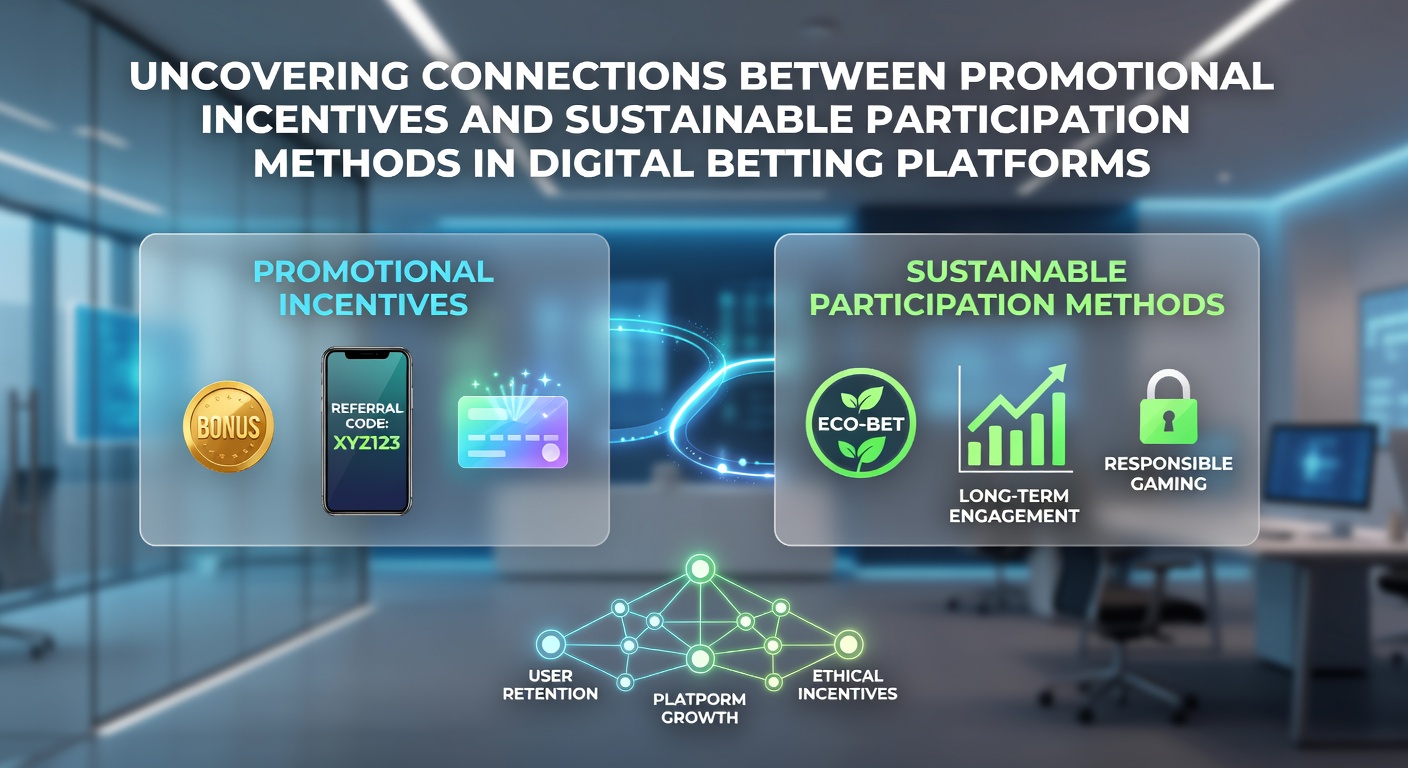
Uncovering Connections Between Promotional Incentives and Sustainable Participation Methods in Digital Betting Platforms
Digital betting platforms have expanded rapidly over the past decade, and promotional incentives now form a core part of how operators attract and retain users across sportsbooks and casino-style games. These offers range from matched deposits and risk-free bets to tiered loyalty rewards that unlock higher cashback percentages or exclusive event access, and researchers tracking participation data note clear patterns in how such incentives shape initial engagement levels.
Operators structure these promotions with specific terms that require minimum odds or wagering multiples before any winnings become withdrawable, yet the same systems often include built-in tools for setting session reminders and loss thresholds that help users maintain longer-term involvement without rapid depletion of funds. Studies released in early 2026 by academic teams at several European universities show that users who combine promotional credits with pre-set spending caps report higher continuation rates over six-month periods compared with those who ignore the same controls.
Types of Promotional Structures and Their Reach
Most major platforms deploy welcome packages that split across the first three or four deposits, each carrying its own playthrough requirement, while ongoing reload bonuses appear weekly and target users who have already completed initial verification steps. Cashback programs return a percentage of net losses on a daily or weekly basis and frequently tie into multi-tier loyalty ladders where advancement depends on cumulative handle rather than single-session volume. Data collected across North American and Australian markets indicates that loyalty points convert into free bets or tournament entries at predictable rates, creating recurring touchpoints that encourage measured returns instead of one-off spikes in activity.
What's interesting is how these layered offers interact with platform algorithms that flag unusual betting patterns and surface personalized limit suggestions right inside the same interface where the promotion is claimed. Operators in regulated Canadian provinces have begun testing automatic prompts that appear when a user attempts to stake promotional funds at higher than their historical average size, and early figures reveal modest reductions in rapid loss events during the first month after implementation.
Linking Incentives to Ongoing Participation Tools
Sustainable methods rely on features such as reality checks that pause play every thirty or sixty minutes, deposit calendars that enforce cooling-off windows, and self-exclusion lists that operators must honor across connected sites within the same network. Platforms integrate these tools directly with promotional tracking so that any remaining bonus balance stays visible even when a user elects to reduce their deposit ceiling for the coming week. Observers note that this visibility prevents accidental forfeiture of credited amounts and keeps the incentive aligned with controlled play rather than hurried completion of wagering requirements.

Take one operator group operating across multiple EU jurisdictions that introduced a unified dashboard in late 2025. Users there can toggle bonus acceptance on or off while simultaneously adjusting time and spend limits, and aggregated reports presented to regulators show that a measurable share of accounts maintain activity for twelve or more months when both features remain active together. Similar approaches appear in forthcoming rule updates scheduled for May 2026 in several Australian states, where operators must display remaining promotional obligations next to any active limit settings before a session can begin.
Regional Data Patterns and Platform Adjustments
Figures released by the Victorian Gambling and Casino Control Commission highlight that accounts utilizing at least one promotional offer per quarter display steadier betting volumes when paired with voluntary deposit limits set below average monthly income. In contrast, accounts that chase the same offers without limits show sharper drop-offs after the first three months. Platform teams respond by surfacing opt-in educational modules that explain how to allocate promotional funds across multiple smaller wagers rather than single high-stake attempts, and completion rates for these short modules correlate with longer account lifespans according to internal retention metrics shared with research partners.
Another development involves conditional free bets that only activate after a user has logged a minimum number of days with activity below a chosen threshold. This structure rewards consistent but moderate participation and appears in several new market entries planned for rollout during the second quarter of 2026. Industry analysts tracking these changes point to reduced complaint volumes related to misunderstood bonus terms when the offers themselves incorporate the same limit-setting screens used for responsible play.
Regulatory and Technical Integration Trends
Regulators in multiple jurisdictions now require operators to maintain audit logs that link every promotional claim to the user's current responsible gambling settings. This linkage allows compliance teams to verify that bonus terms do not override previously chosen deposit or time caps. Technical standards published by the Malta Gaming Authority emphasize API-level checks that prevent a promotional wager from processing if it would breach an active limit, and several large operators have already certified their systems against these standards ahead of broader enforcement windows.
Those who've examined anonymized transaction datasets observe that users who receive clear, on-screen summaries of both remaining bonus progress and current limit status tend to adjust stakes downward more frequently than users who see only one data point at a time. Such findings support continued refinement of interface layouts that keep promotional tracking and participation controls within the same view.
Conclusion
Promotional incentives and sustainable participation features increasingly share the same backend systems on digital betting platforms, allowing operators to deliver rewards while surfacing the controls that support continued engagement over extended periods. As regulatory timelines advance into May 2026 and beyond, the technical connections between these two areas are expected to grow tighter, with data visibility and automated checks becoming standard across more markets. The patterns emerging from current implementations indicate that platforms can structure incentives to align with user-defined boundaries rather than compete against them.